Yoshida Himatsuri Fire Festival/Ceremony: Why You Should Visit Mt Fuji’s Fujiyoshida This Week | Aug 26 and 27, 2026


- Explore around the Mt. Fuji area
- Led in English by a local Japanese
- Details Here
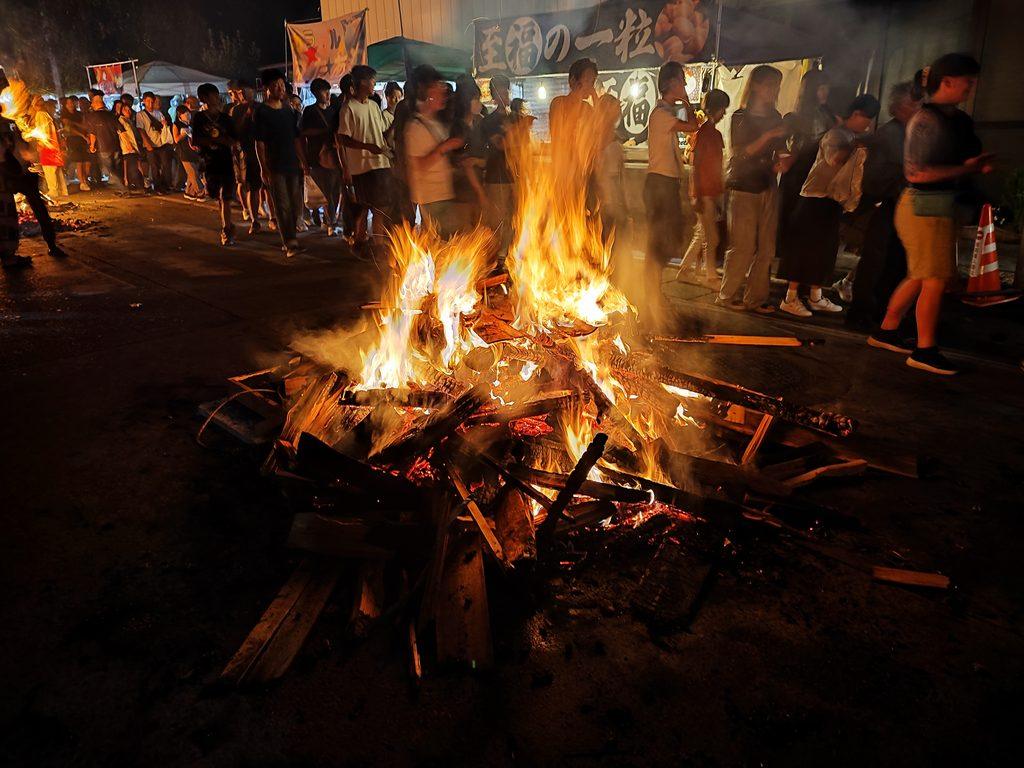
Quick heads up if you’re anywhere in the Fuji Five Lakes area this week — the Yoshida Himatsuri, one of Japan’s most famous fire festivals, takes place right at the base of Mt Fuji on August 26th and 27th. If you have any flexibility in your plans at all, this is one of those “clear your schedule” moments. I say this every year and I’ll say it again: it’s genuinely one of the best things you can experience in this entire region, Fuji summit included.
Here’s why it’s worth the trip, plus the actual timings so you don’t miss the good parts.
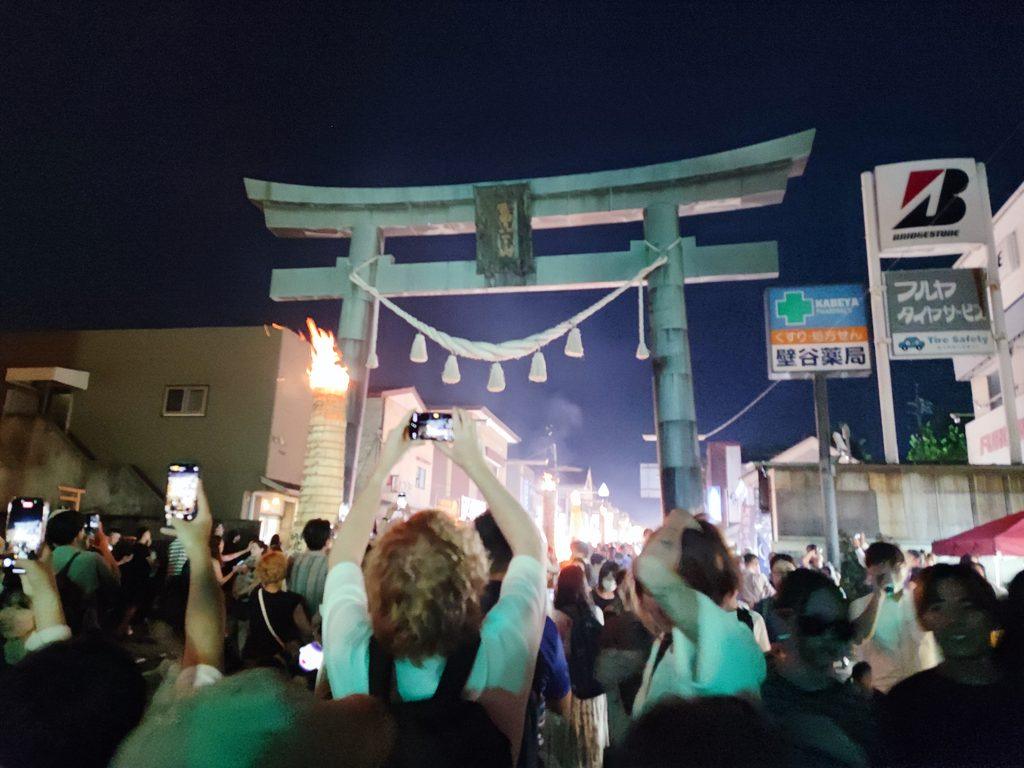
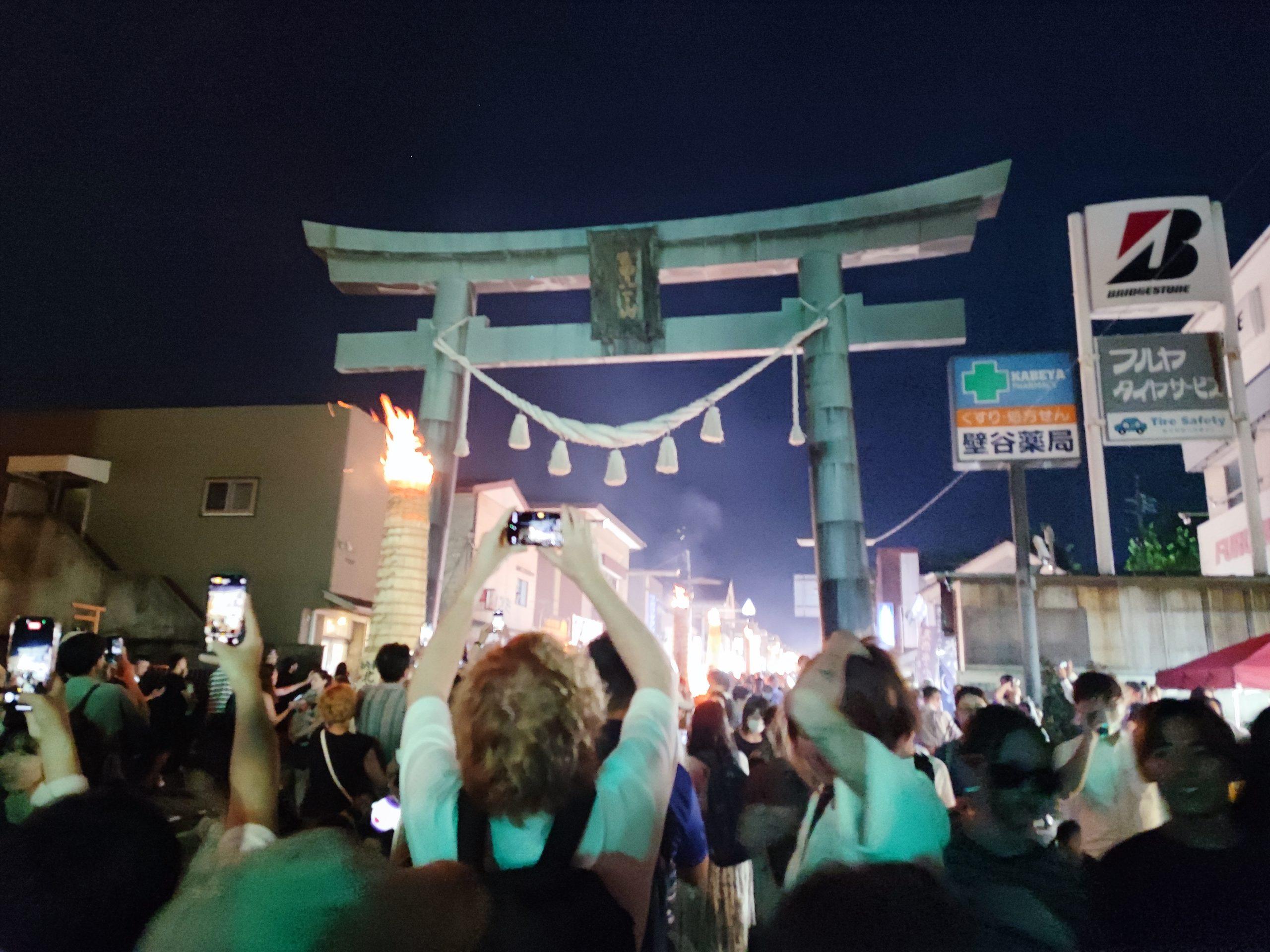
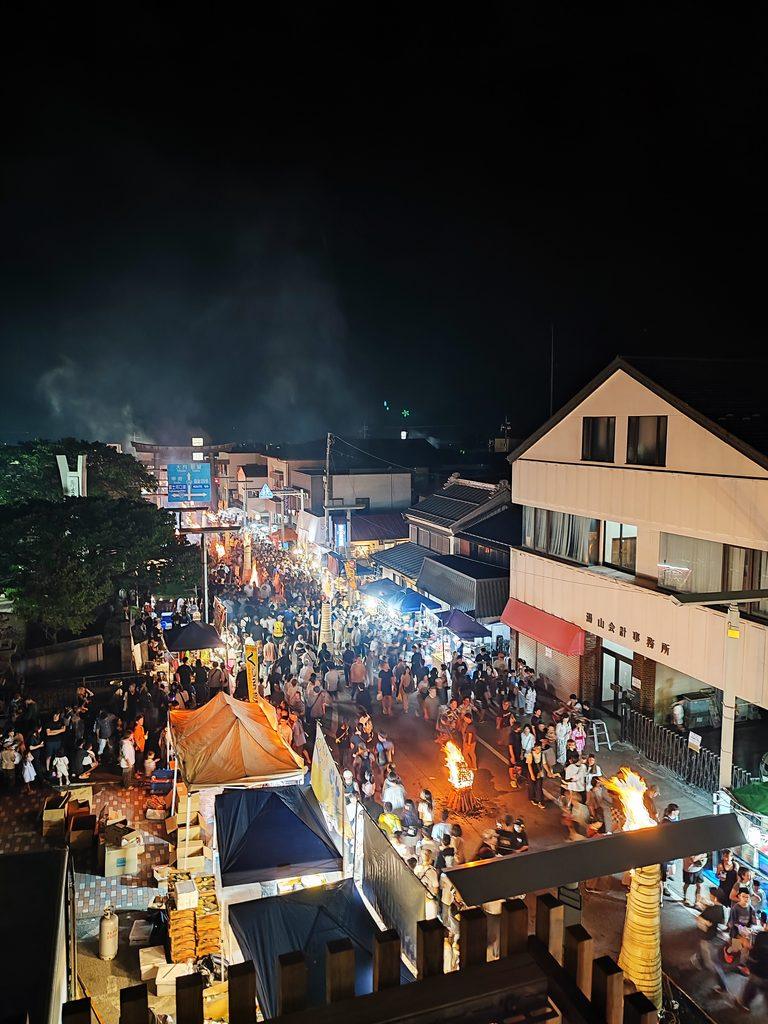
Day one (Aug 26) is pure spectacle. Rituals begin at 2:30pm at Kitaguchi Hongu Fuji Sengen Shrine and neighboring Suwa Shrine, and by 5:00pm the two portable shrines — the Myojin mikoshi and the Oyama mikoshi, which represents Mt Fuji itself — are being carried through the old town. They arrive at the Otabisho (the resting place, now Kamiyoshida Community Center) around 6:30pm, and the moment they do, over 70 giant torches — each roughly 3 meters tall — get lit one after another along the old main street, with nearly every house along the way lighting its own smaller bonfire too. Within an hour, close to a kilometer of town is glowing orange. Torches stay burning until they start being cleared around 10:00pm. The heat is real, even in late-summer humidity — bring a hand fan and don’t wear anything you’re precious about, because you will smell like woodsmoke for two days.
Day two (Aug 27) is the quieter, more moving half. This is Susuki Matsuri, the Pampas Grass Festival. Rituals at the Otabisho start at 1:15pm, the mikoshi depart at 2:00pm, and they pass through the Kanadorii torii gate around 3:30pm — a great photo moment if you’re stationed there. By 6:00pm there’s a ritual at Mikuraishi, and the shrines make their final return to Kitaguchi Hongu Fuji Sengen Shrine for the closing ceremony at 7:00pm. Worshippers follow the shrines carrying stalks of susuki grass as the ritual builds to its close. It’s a completely different mood from the fire — slower, more solemn — and honestly it tells you more about what this festival actually means to the community than day one does. If you can only come for one day, come for the 26th. If you can manage both, you’ll leave with a much fuller picture.
A few things that’ll make your visit smoother:
- Get there by train. Fujikyu Railway to Fujisan Station is your best bet — the roads around the shrine and main street close to traffic both days, so driving in isn’t realistic once things get underway.
- Go early for a good spot. The main street fills in fast once the torches start going up in the early evening. If you want to be near the shrine or the Kanadorii torii gate for the most iconic shots, get there with time to spare.
- Dress for heat, not for a typical summer evening. You’ll be standing close to open flame for a couple of hours. Light, breathable clothes, closed shoes rather than sandals (you’re walking through a crowd near fire), and a bit of patience with the smoke.
- This is a real, centuries-old religious festival, not a staged event for tourists. It’s been running for 450-plus years and is officially recognized as an Important Intangible Folk Cultural Property. Treat it with the respect you’d give any shrine ritual — it makes the experience better for everyone, locals included.
Honestly, I bring visitors to this exact stretch of road every year and I still get chills when the last torch on the block catches. If you’re already in the area for Mt Fuji, this is the one weekend where the mountain steps aside and lets the town at its base take the spotlight — and it more than earns it.
See you there!
Practical info:
- Dates: August 26 (Wed) and 27 (Thu), 2026
- Main venue: Kitaguchi Hongu Fuji Sengen Shrine and Suwa Shrine, Kamiyoshida main street, Fujiyoshida City
- Address: 5558 Kamiyoshida, Fujiyoshida, Yamanashi 403-0005
- Nearest station: Fujisan Station (Fujikyu Railway)
New articles
-
 Basashi: Why Landlocked Mountain Country Ended Up Eating Raw Horse (Blame the Pilgrims)
 -
Mount Fuji Has Its Own Secret Bear Population — And Scientists Are Still Figuring It Out
-
Why Is the Weather Around Mt. Fuji So Unpredictable in August? Kawaguchiko Weather
-
The Hoto Noodle That Warlords Definitely Didn’t Invent (But Everyone Believes They Did)
-
Yoshida Himatsuri Fire Festival/Ceremony: Why You Should Visit Mt Fuji’s Fujiyoshida This Week | Aug 26 and 27, 2026