Why Mt. Fuji Is a World Cultural Heritage Site, Not a Natural One


- Explore around the Mt. Fuji area
- Led in English by a local Japanese
- Details Here
Hi, it’s Daichi from KOKO Journey.
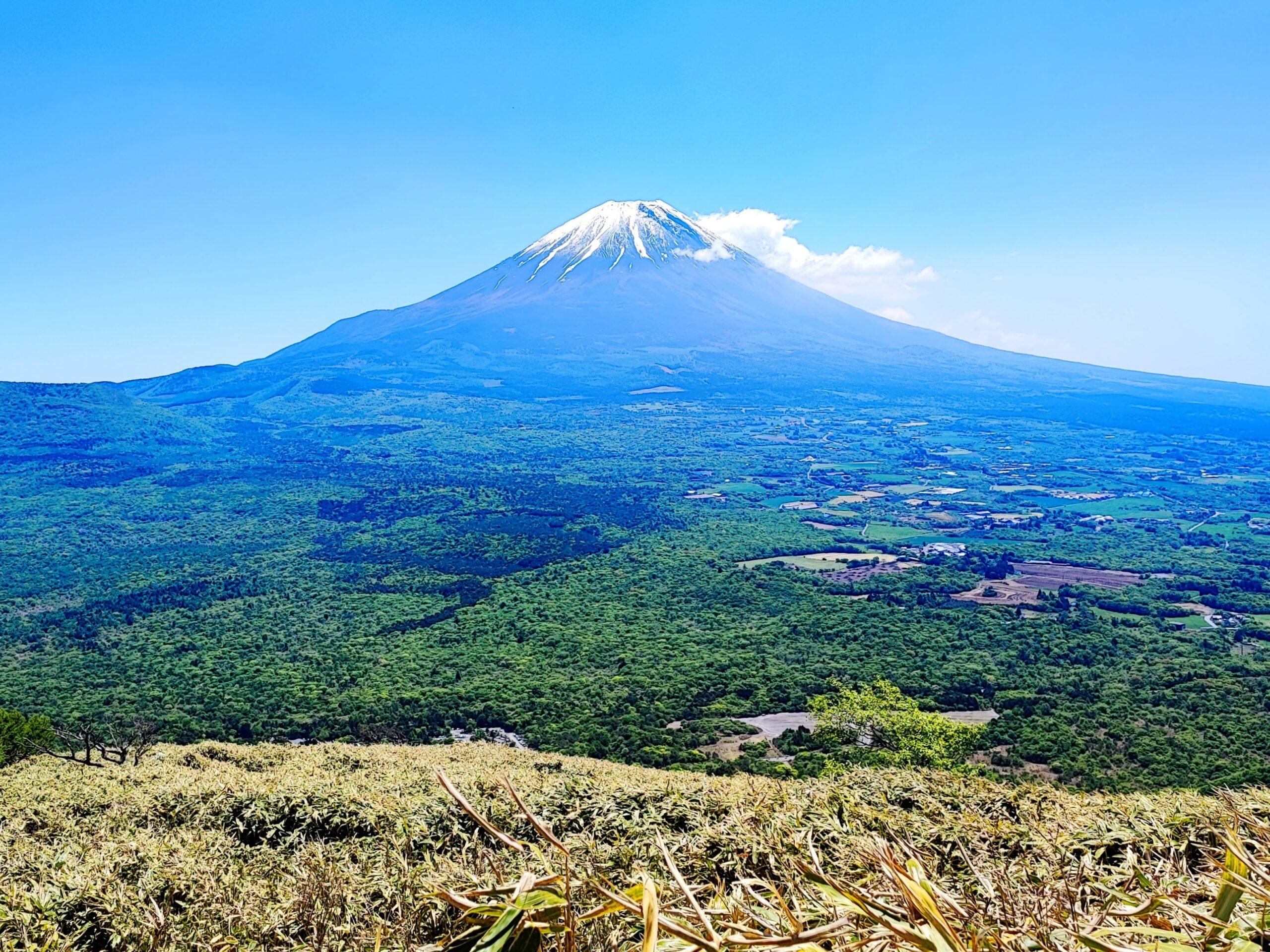
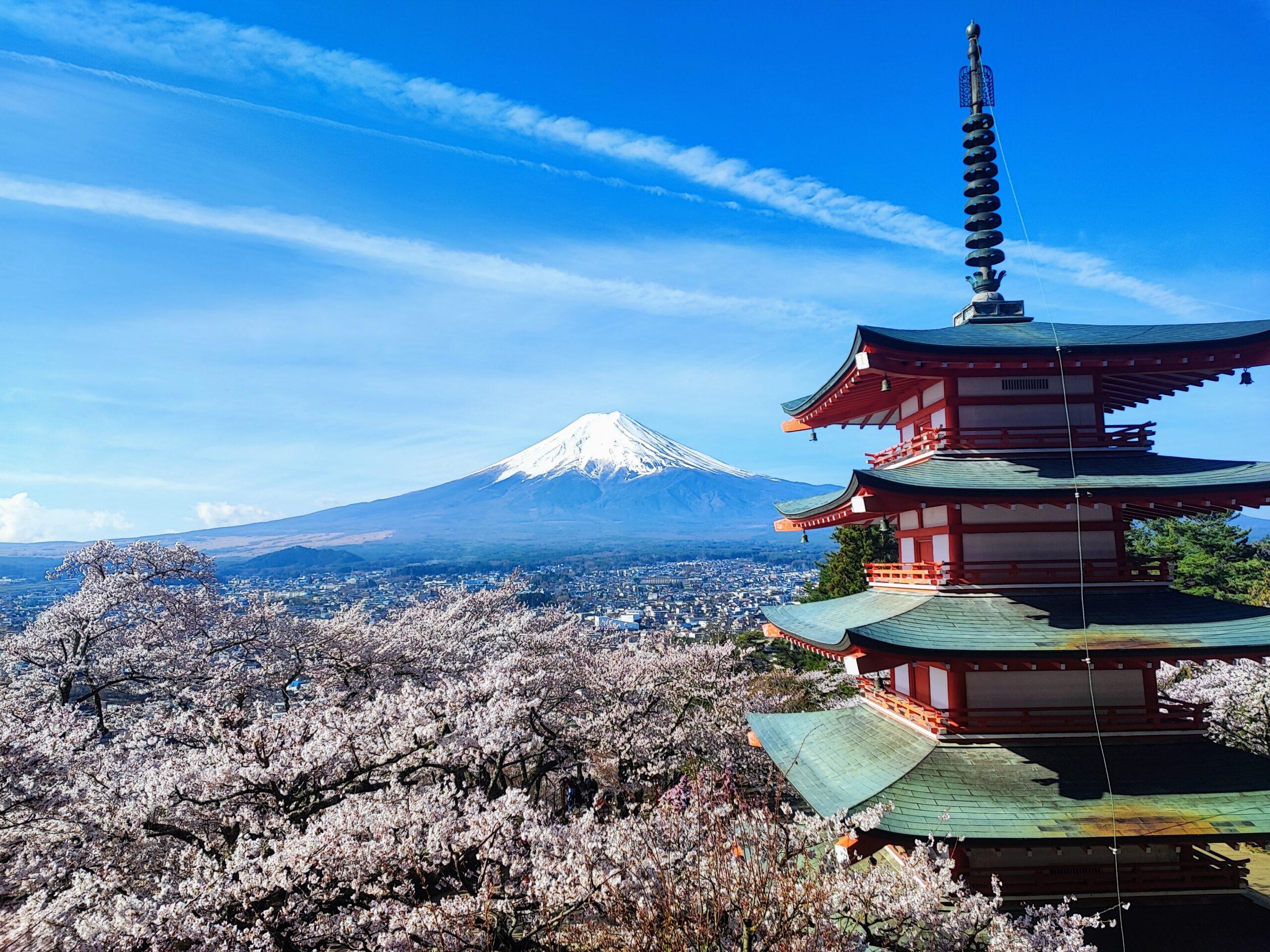
When you see the beautiful silhouette of Mt. Fuji, it is easy to think:
Of course! Mt.Fuji must be a World Natural Heritage site!
It looks like the kind of mountain that UNESCO would recognize for its stunning scenery alone.
But here is the interesting part, Mt. Fuji is NOT registered as a World Natural Heritage site.
Instead, it is officially recognized as a World Cultural Heritage site under the title:
Fujisan, sacred place and source of artistic inspiration.
At first, that might sound a little unexpected. After all, Mt. Fuji is one of the most famous natural landmarks in Japan. So why is it classified as cultural heritage?
The answer is actually what makes Mt. Fuji so special.
Why Is Mt. Fuji a Cultural Heritage Site?

When Japan first considered a Natural Heritage registration, there were some challenges.
One concern was the environmental impact of the large number of climbers and the related waste issues. Another point was that, from a geological viewpoint, Mt. Fuji is not completely unique in the world — there are other stratovolcanoes with similar features.
So if UNESCO were judging Mt. Fuji only as a mountain, it may not have stood out enough.
But Mt. Fuji is much more than a mountain.
For centuries, people in Japan have worshipped it, climbed it as part of religious practice, and found inspiration in it through poetry, paintings, and woodblock prints. In other words, Mt. Fuji is not just admired for how it looks — it has deeply shaped Japanese culture and spiritual life.
That long relationship between people and the mountain is what led UNESCO to recognize it as a Cultural Heritage site.
This is why the World Heritage site is NOT limited to the summit itself!
In fact, it includes 25 component parts spread across Yamanashi and Shizuoka prefectures.
Each of these sites tells a different part of the Mt. Fuji story, from sacred shrines to beautiful lakes, from spring water to pilgrimage routes.
The 25 Component Parts of the World Heritage Site
Mt. Fuji’s status is not just about the peak itself. It consists of 25 separate locations, known as “component parts,” spread across Yamanashi and Shizuoka prefectures. These sites represent the mountain’s religious and cultural significance.
Here is the official list of the 25 components:
- Fujisan Mountain Area
(Yamanashi Prefecture & Shizuoka Prefecture)
Fujisan Mountain area includes
1-1 Mountaintop worship sites
1-2 Omiya-Murayama Ascending Route (present Fujinomiya Ascending Route)
1-3 Suyama Ascending Route (present Gotemba Ascending Route)
1-4 Subashiri Ascending Route
1-5 Yoshida Ascending Route
1-6 Kitaguchi Hongu Fuji Sengen-jinja Shrine
1-7 Lake Saiko
1-8 Lake Shojiko
1-9 Lake Motosuko
- Fujisan Hongu Sengen Taisha Shrine
- Yamamiya Sengen-jinja Shrine
- Murayama Sengen-jinja Shrine
- Suyama Sengen-jinja Shrine
- Fuji Sengen-jinja Shrine (Subashiri Sengen-jinja Shrine)
- Kawaguchi Asama-jinja Shrine
- Fuji Omuro Sengen-jinja Shrine
- Oshi Lodging House (Former House of the Togawa Family)
- Oshi Lodging House (House of the Osano Family)
- Lake Yamanakako
- Lake Kawaguchiko
- Oshino Hakkai springs (Deguchiike Pond)
- Oshino Hakkai springs (Okamaike Pond)
- Oshino Hakkai springs (Sokonashiike Pond)
- Oshino Hakkai springs (Choshiike Pond)
- Oshino Hakkai springs (Wakuike Pond)
- Oshino Hakkai springs (Nigoriike Pond)
- Oshino Hakkai springs (Kagamiike Pond)
- Oshino Hakkai springs (Shobuike Pond)
- Funatsu lava tree molds
- Yoshida lava tree molds
- Hitoana Fuji-ko Iseki
- Shiraito no Taki waterfalls
- Mihonomatsubara pine tree grove
They are spread across both Yamanashi and Shizuoka prefectures, meaning Mt. Fuji’s cultural story extends far beyond the mountain itself.
Final Thoughts
Mt. Fuji is a mountain, but it is also a story. Behind that beautiful shape is a long history of people who climbed it, worshipped it, painted it, and found meaning in it.
That is the reason Mt. Fuji is not just a natural wonder. It is a living piece of cultural heritage!
New articles
-
 Announcement: The Closure of KOKO Journey
 -
Mt. Fuji Weather Update: Why Fuji Has Been Hiding in June 2026
-
McDonald’s with a View of Mt. Fuji in Fujiyoshida city, right next to Kawaguchiko Town
-
Are there Bears Around Lake Kawaguchiko and Mt. Fuji? Check This Before You Go
-
Lake Kawaguchiko Photo Walk: Seeing Mt. Fuji from Every Angle