Why Is the Weather Around Mt. Fuji So Unpredictable in August? Kawaguchiko Weather

- Explore around the Mt. Fuji area
- Led in English by a local Japanese
- Details Here
Hi! it’s Daichi.
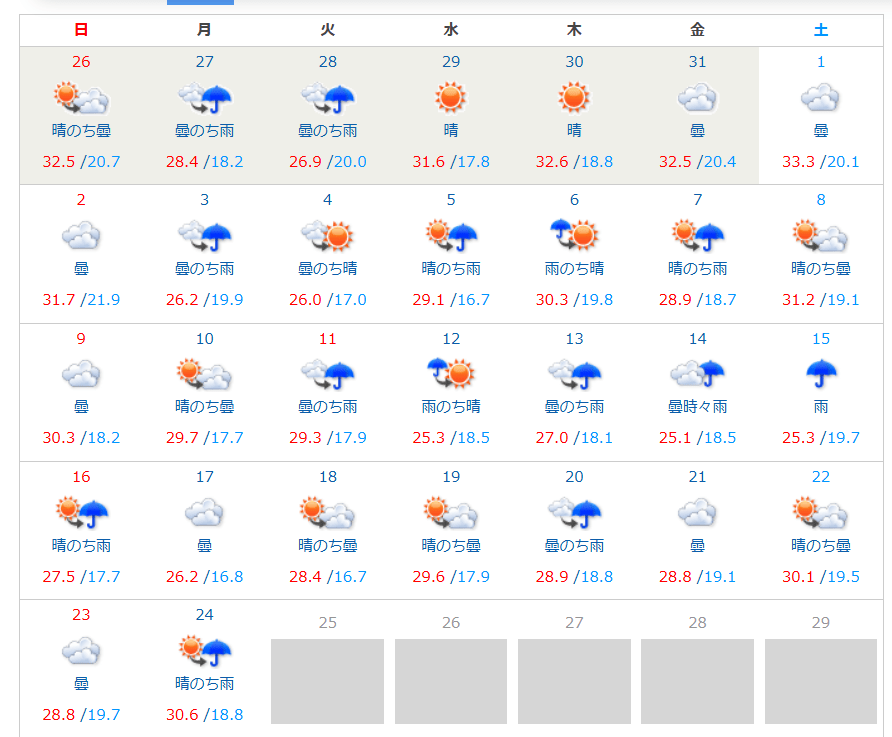
If you have been looking at the weather forecast for Lake Kawaguchiko this August 2026, you might be scratching your head. Take a look at the actual daily forecast for this month so far: almost every single day shows rain icons, thick clouds, or those notorious “clear then rain” symbols (晴のち雨). Out of nearly four weeks, clear sunny days without a drop of rain are exceptionally rare.
https://tenki.jp/past/2026/08/weather/3/22/47640/
A lot of travelers messaged me asking: “Daichi, isn’t August supposed to be peak summer in Japan? Why is the weather around Mt. Fuji and the Five Lakes so unstable right now?”
Being honest, I completely get the frustration haha. You plan a trip hoping to see the iconic cone of Fuji-san against a crisp blue sky, only to be greeted by misty clouds and sudden afternoon downpours. But there are very real, fascinating atmospheric and geographical reasons behind this pattern. Let’s break down what is actually happening behind the scenes.
1. The Orographic Lift Effect (Mountains Create Their Own Weather)
Mt. Fuji stands completely isolated, towering at 3,776 meters high. Surrounding it, the Fuji Five Lakes area (including Kawaguchiko) sits at an elevation of roughly 800 to 900 meters. When warm, moisture-laden air blows in from the Pacific Ocean during peak summer, it collides directly with this massive volcanic wall.
As this air is forced upward along the slopes of Mt. Fuji—a meteorological process known as orographic lift—it rapidly cools and condenses. Water vapor transforms into thick fog, heavy cloud cover, and localized precipitation. Even on a morning that starts out warm and bright in Kawaguchiko, by early afternoon, Fuji has essentially brewed its own private cloud system directly above us.
2. Intense Daytime Heating & Convective Storms
Notice how many calendar days are marked as “Sunny then Rain” (晴のち雨)? That is classic summer thermal instability. In August, intense morning sunlight bakes the ground and heat builds up quickly in the mountain basin. Warm, humid air rises rapidly, creating powerful updrafts.
By midday or early afternoon, these updrafts form towering cumulonimbus clouds. Before you know it, a beautiful 30°C morning turns into a sudden, brief shower or thunderstorm by 2:00 or 3:00 PM.
3. The Pacific High vs. Tropical Moisture Channels
In mid-summer, the Pacific High pressure system dominates Japan. However, its edges often channel warm, tropical moisture from the south (often linked to passing typhoons or tropical moisture corridors in the Pacific) straight into central Honshu. Nestled on the northern slope of Fuji, Kawaguchiko acts as a natural catch-basin for this incoming ocean moisture.
My Advice for Visiting in August
Does this mean you shouldn’t visit Mt. Fuji in August? Not at all! You just need to adjust your strategy to work with local weather dynamics:
- Target Early Mornings (5:00 AM – 8:30 AM): This is your absolute highest statistical chance of seeing Mt. Fuji clearly. Convective clouds usually haven’t formed yet, and the air is calm.
- Always Pack Light Rain Gear: Keep a compact folding umbrella or light rain jacket in your bag, even if the morning sky looks 100% blue.
- Embrace the Atmosphere: Rainy or misty days at Lake Kawaguchiko carry their own serene, dramatic beauty—glowing green moss, moody lake views, and cozy lakeside cafes.
Weather in the mountains is wild and changing, but that is part of what makes living here so special. Keep an eye on the morning skies, start early, and enjoy your trip!
A Quick Tip for Future Travelers:
If your travel dates are flexible and your primary goal is to catch breathtaking, crystal-clear views of Mt. Fuji, consider planning your trip between November and February. Autumn and winter bring crisp, dry air and remarkably stable sunny days, making it hands-down the best season for iconic Fuji views!
Weather in the mountains is wild and changing, but that is part of what makes living here so special. Keep an eye on the morning skies, start early, and enjoy your trip!
New articles
-
 Basashi: Why Landlocked Mountain Country Ended Up Eating Raw Horse (Blame the Pilgrims)
 -
Mount Fuji Has Its Own Secret Bear Population — And Scientists Are Still Figuring It Out
-
Why Is the Weather Around Mt. Fuji So Unpredictable in August? Kawaguchiko Weather
-
The Hoto Noodle That Warlords Definitely Didn’t Invent (But Everyone Believes They Did)
-
Yoshida Himatsuri Fire Festival/Ceremony: Why You Should Visit Mt Fuji’s Fujiyoshida This Week | Aug 26 and 27, 2026