The Hoto Noodle That Warlords Definitely Didn’t Invent (But Everyone Believes They Did)


- Explore around the Mt. Fuji area
- Led in English by a local Japanese
- Details Here
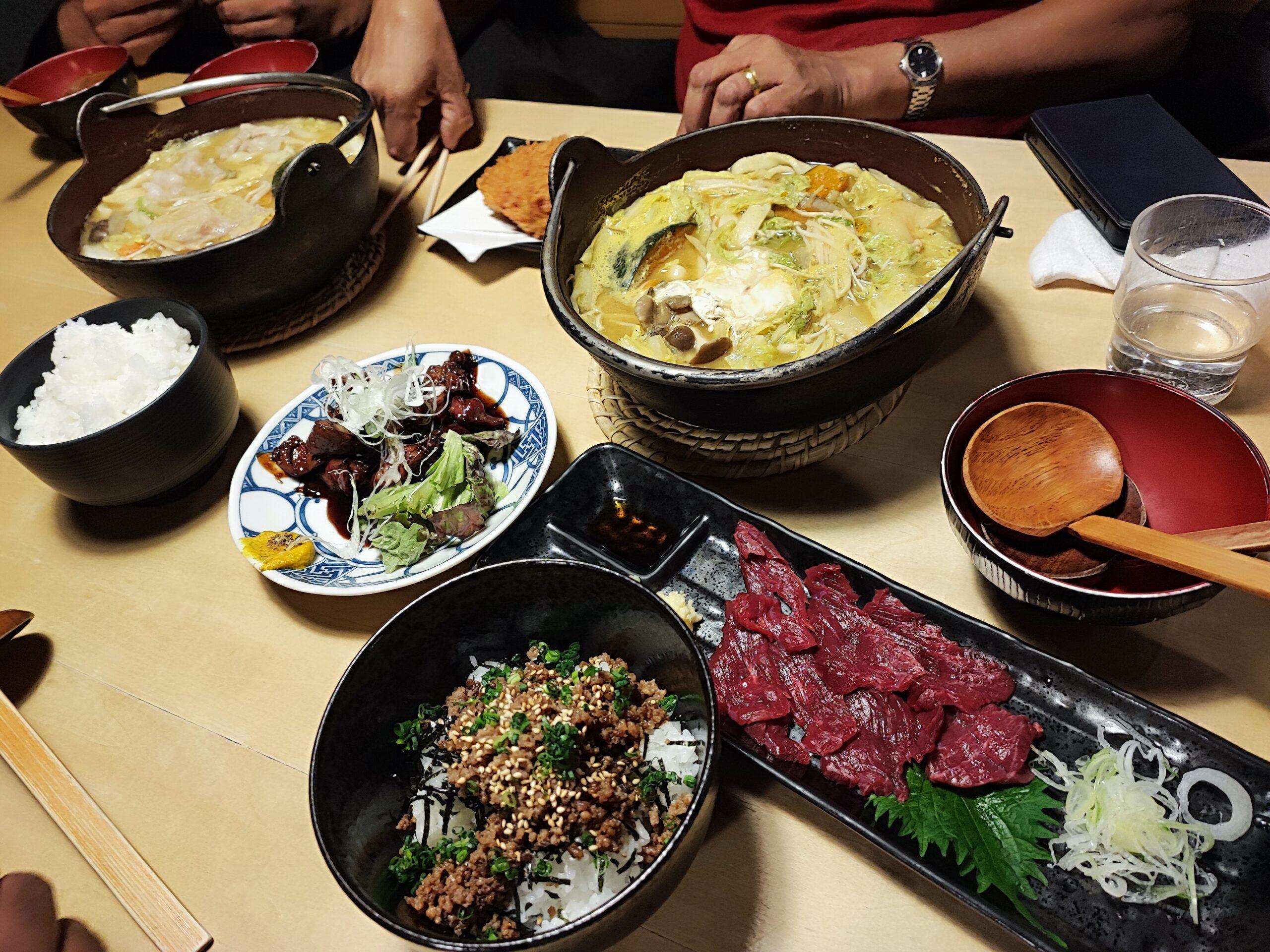
Let’s start with the fun part: if you ask basically anyone in Yamanashi where hoto came from, they’ll tell you a warlord invented it. Specifically Takeda Shingen — the legendary 16th-century daimyo, “Tiger of Kai,” the guy with the “wind, forest, fire, mountain” battle banner — supposedly created this dish as battlefield rations, and, depending on who’s telling the story, personally sliced the vegetables with his own sword. The pun is the whole point here: his prized sword was called a hōtō (宝刀, “treasured sword”), and hoto (ほうとう) the noodle stew just happens to sound identical. Sword soup. Great story.
Here’s the plot twist: historians have gone digging through actual Takeda-era records, military chronicles, everything, and there is no mention of Shingen inventing this dish, cutting vegetables with his sword, or ordering up noodle stew for his troops. None of it shows up in period sources. According to Yamanashi’s own prefectural history archives, the “Shingen invented it” story doesn’t even appear in pre-war regional food writing — it only started spreading widely once postwar Yamanashi leaned into tourism and started mining its history for good marketing material. Which, respectfully, is an incredible flex: the region basically willed a food legend into existence and it worked so well that most locals still tell it as fact.
So what’s the real story? The dish itself is much older than Shingen and almost certainly wasn’t invented by anyone in particular — it evolved. The most likely ancestor is hakutaku, a wheat-flour dish that came over from China, possibly via Buddhist monks, sometime around the Heian period over a thousand years ago. It’s mentioned — genuinely, this is documented — in The Pillow Book, Sei Shonagon’s 11th-century diary of court life, where a noblewoman offers to serve it as a way of getting someone to stay a little longer. So somewhere between elegant Heian court cuisine and a bowl of hearty mountain stew, hakutaku slowly turned into hoto, and by the time it hit Kai Province (what’s now Yamanashi), it had become something much more rustic and practical.
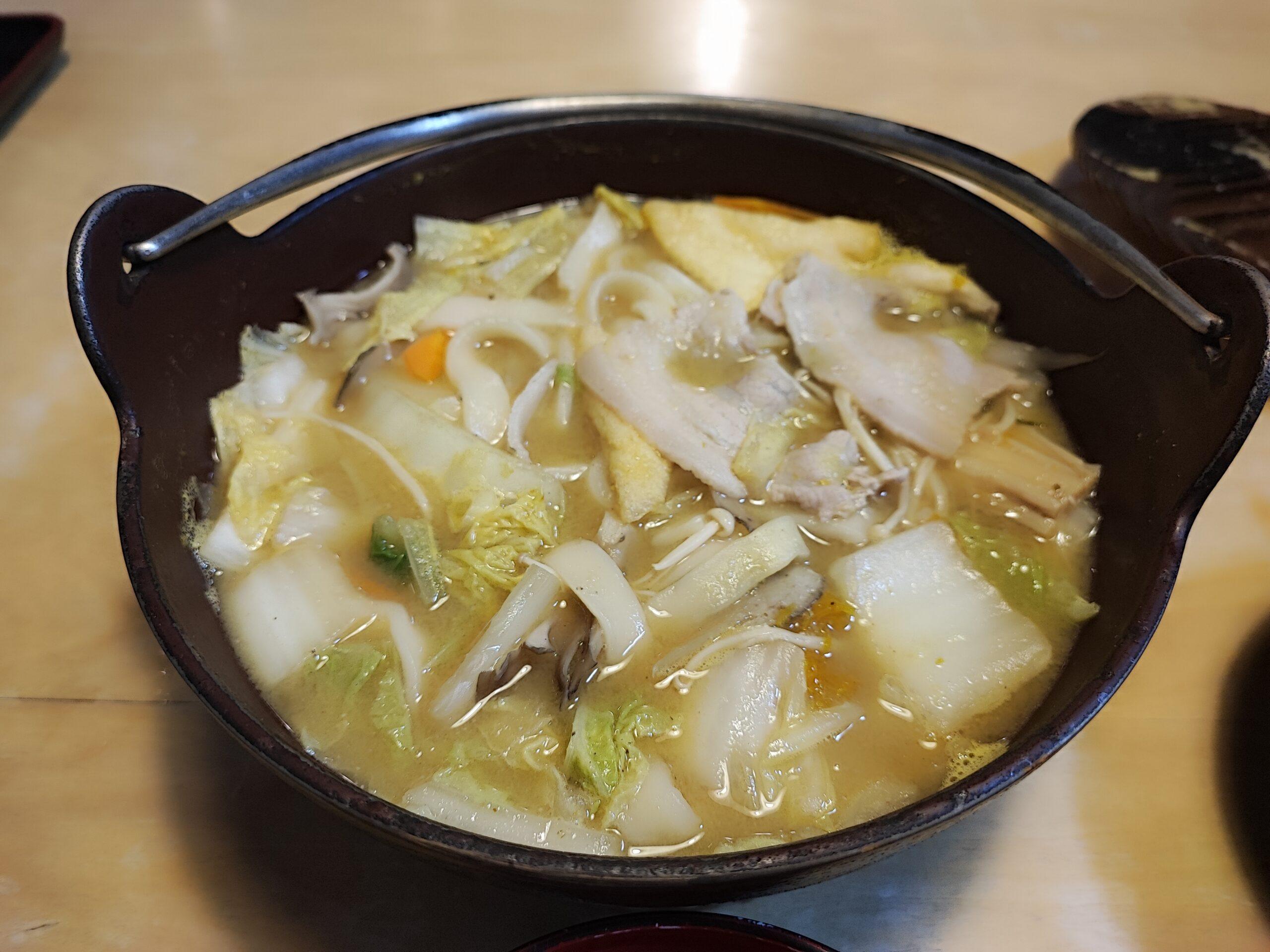
And “practical” is really the key word for why hoto actually stuck here, warlord or no warlord. Yamanashi is mountainous, and rice paddies were historically hard to come by. What did grow well was wheat, so the region developed a genuine flour-based food culture out of necessity — noodles, dumplings, all kinds of wheat dishes designed to stretch limited resources. Hoto fits that logic perfectly: you take flat, thick, unsalted noodles (no resting or pre-boiling required, unlike regular udon), throw them straight into a pot with whatever seasonal vegetables you’ve got — pumpkin is the essential one — and simmer everything together in a miso-based broth until it’s thick, hearty, and stretches to feed a lot of people from not that many ingredients.
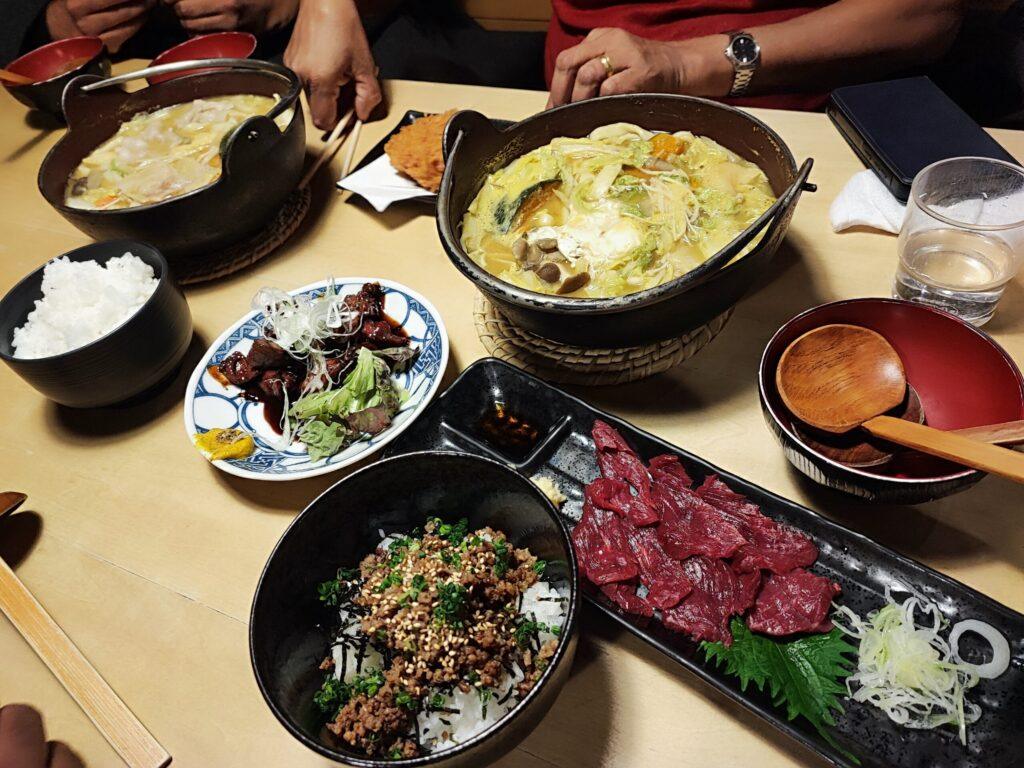
The technique itself is genuinely different from regular noodle-making, and it’s worth knowing if you want to sound like you know what you’re talking about. No salt goes into the dough (regular udon needs salt to develop gluten structure and needs to rest). No resting period either. The noodles go from raw dough straight into the simmering pot, which means starch bleeds directly into the broth as it cooks — that’s why hoto broth is noticeably thick and almost creamy, unlike a clear udon soup. It’s less “noodles in broth” and more “noodles becoming the broth.”
Pumpkin deserves its own paragraph, honestly. The classic version is kabocha hoto, where the pumpkin cooks down until it half-dissolves into the miso broth, and the natural sweetness against the saltiness of the miso is the signature flavor people actually crave. There’s an old local saying — “umai mon da yo, kabocha no hoto” (it’s a delicious thing, pumpkin hoto) — that’s basically become shorthand for the whole dish. Regional variation exists too: around Kofu, people tend to cook the pumpkin until it fully breaks down into the broth, while some southern areas keep it a bit more intact.
One more detail that says a lot about how deeply this dish is woven into local life: there used to be a saying that a woman couldn’t get married until she could properly make hoto — it was considered a basic requirement of household competence, on par with any other domestic skill you’d need before starting a family. That’s obviously outdated thinking today, but it tells you how central this dish has been to daily life here for generations.
Whether or not Shingen ever touched a single vegetable in his life, hoto earned its spot as one of Japan’s officially recognized “100 Furusato Dishes” (selected by the Ministry of Agriculture, Forestry and Fisheries in 2007), and it remains the dish most people in Yamanashi would call genuinely, unpretentiously theirs. Order it on a cold day if you can — it’s built for exactly that.
New articles
-
 Basashi: Why Landlocked Mountain Country Ended Up Eating Raw Horse (Blame the Pilgrims)
 -
Mount Fuji Has Its Own Secret Bear Population — And Scientists Are Still Figuring It Out
-
Why Is the Weather Around Mt. Fuji So Unpredictable in August? Kawaguchiko Weather
-
The Hoto Noodle That Warlords Definitely Didn’t Invent (But Everyone Believes They Did)
-
Yoshida Himatsuri Fire Festival/Ceremony: Why You Should Visit Mt Fuji’s Fujiyoshida This Week | Aug 26 and 27, 2026