Hi, I’m Daichi from KOKO Journey, and I live in Fujiyoshida, the city at the foot of Mt. Fuji.
From a local perspective, I would like to introduce 10 of the most popular must-visit spots in the Mt. Fuji area!
This region is so much more than a beautiful mountain. It’s filled with culture, nature, retro streets, and more. Here are the top places.
TOC
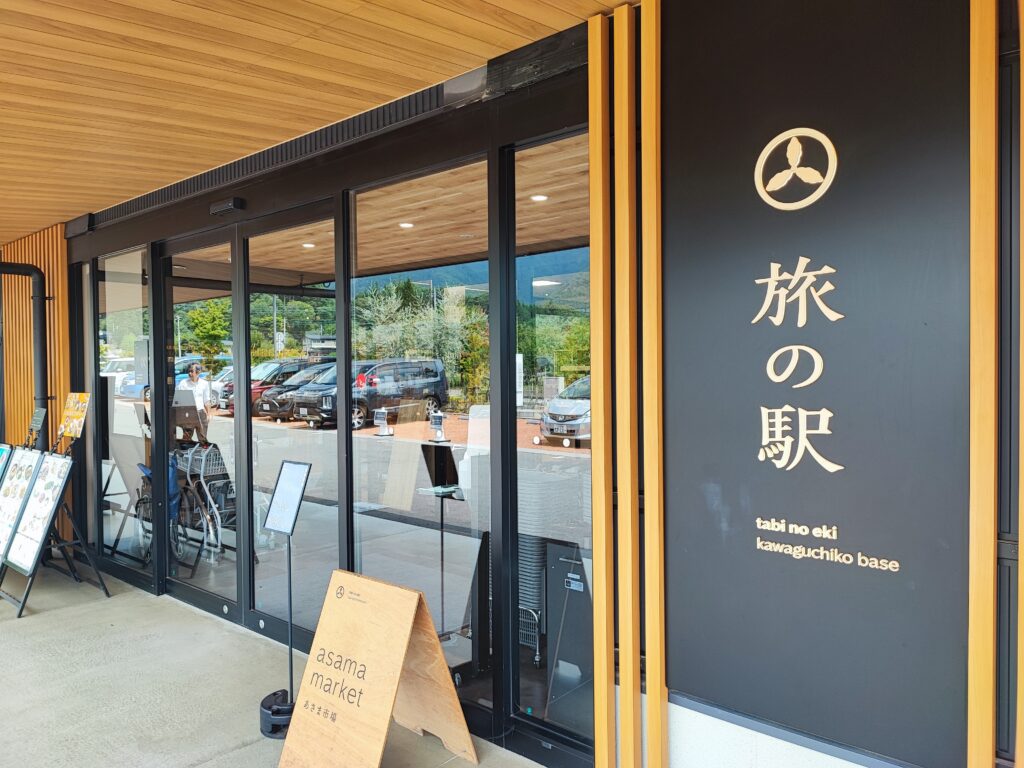
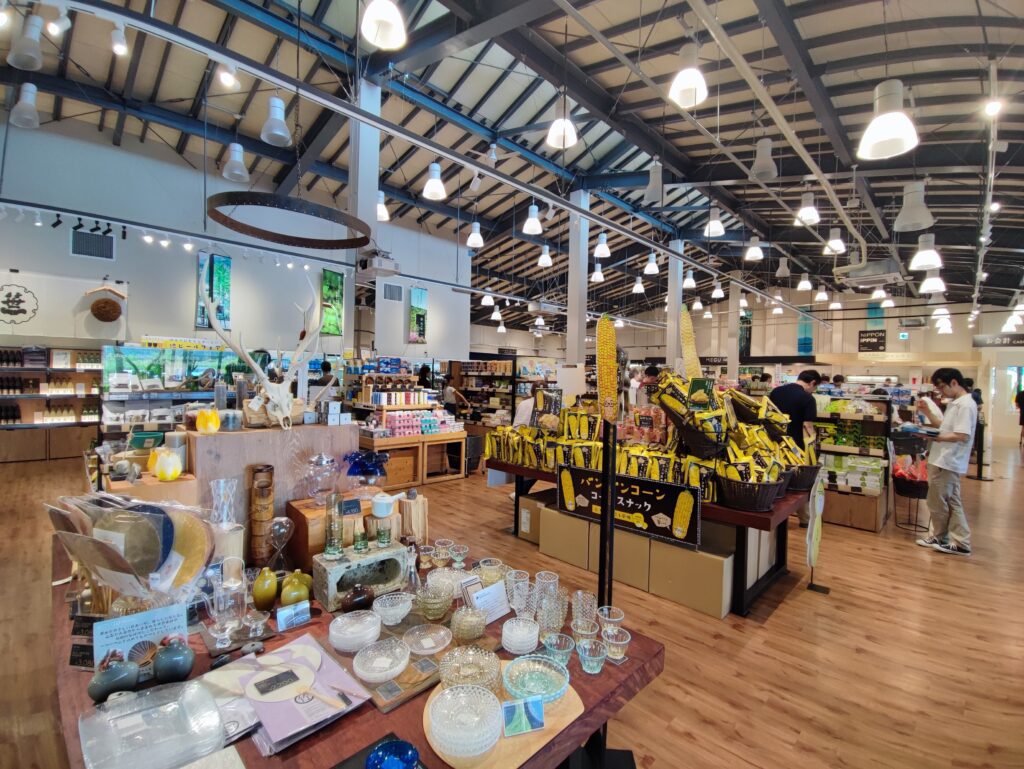
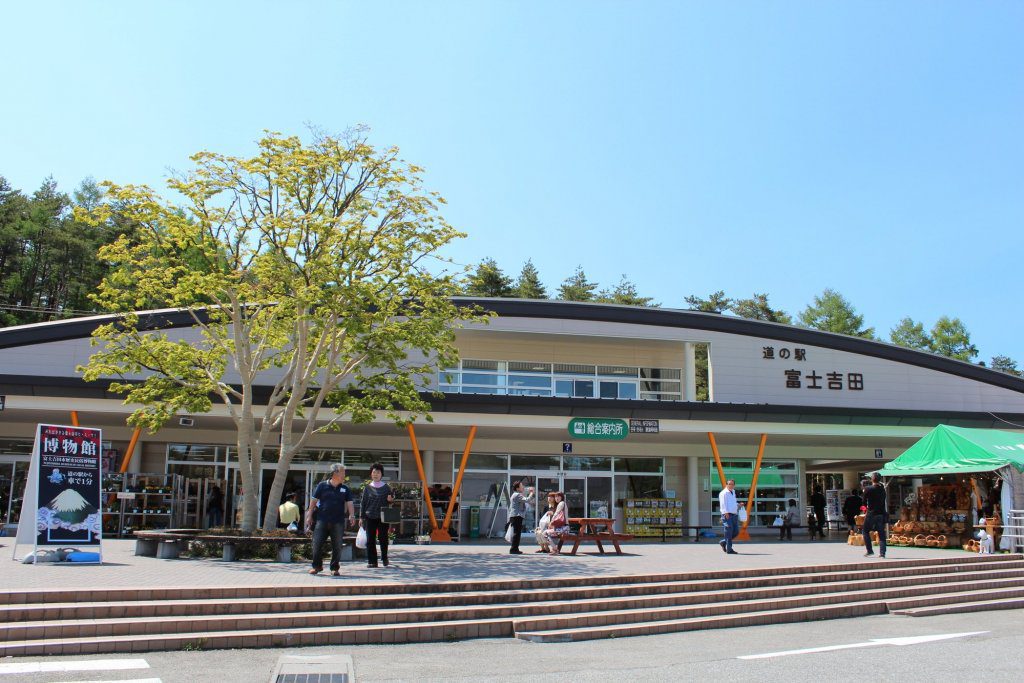
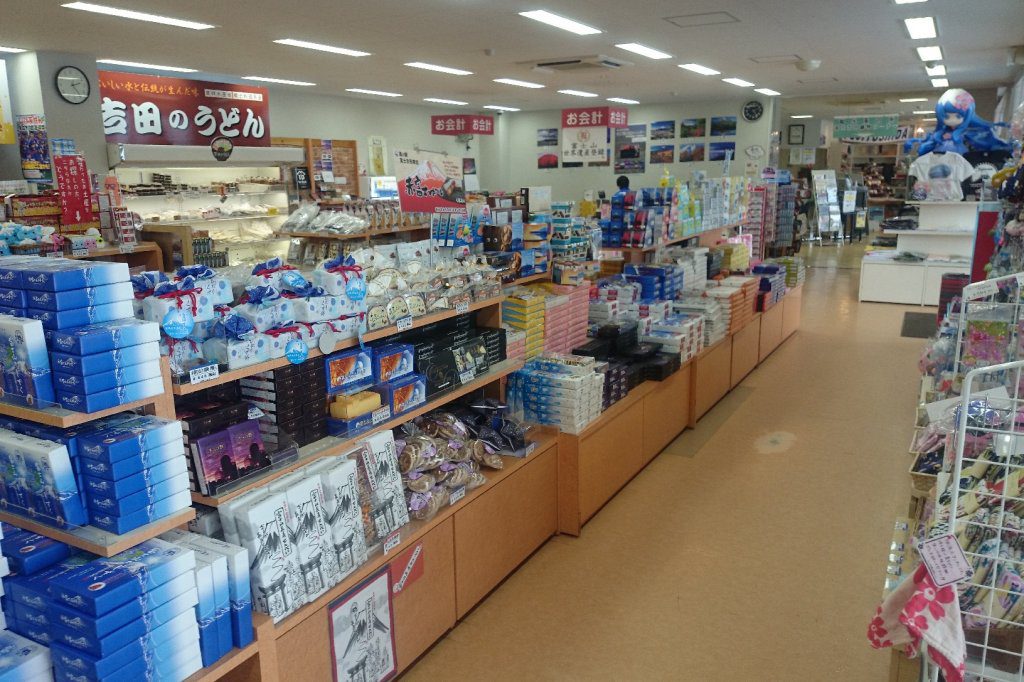
10th: Tabi no Eki & Michi no Eki (Roadside Stations)
“Michi no Eki” and “Tabi no Eki” are translated as roadside stations, but they’re much more than simple rest stops, they can be destinations. You can enjoy shopping, local food, snacks, and more. Both stations are worth a visit.
Address (Tabi no Eki): 521-4 Kawaguchiko, Fujikawaguchiko, Minamitsuru District, Yamanashi
Address (Michi No Eki Fujiyoshida): 3-7-3, Araya, Fujiyoshida, Yamanashi
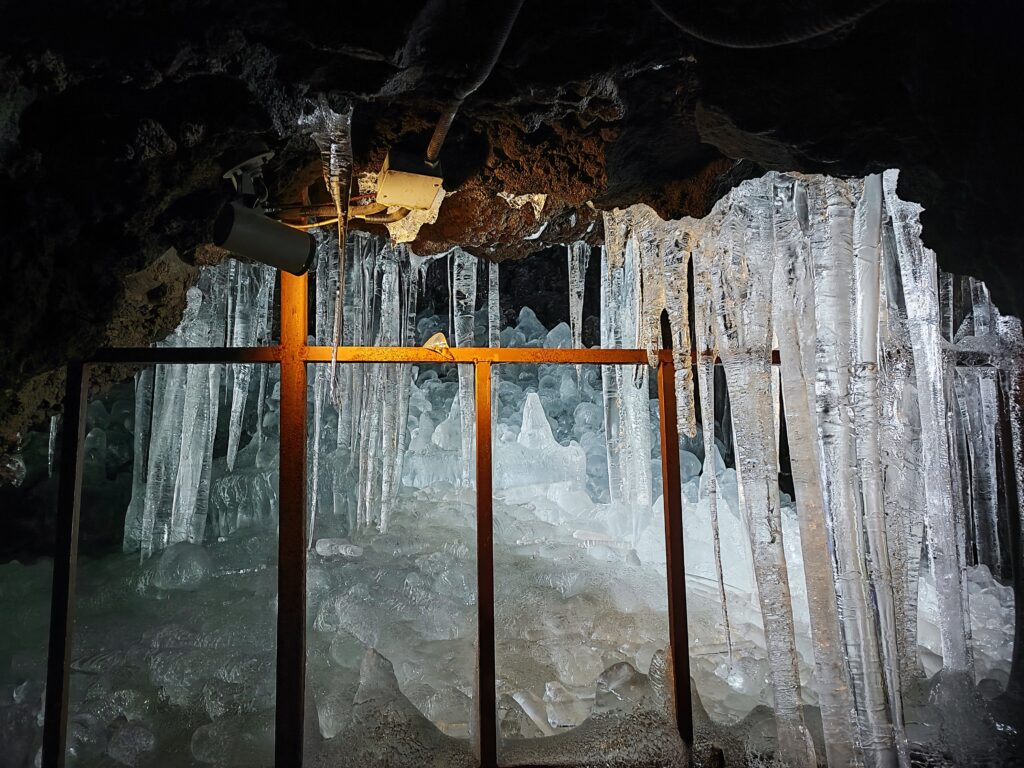
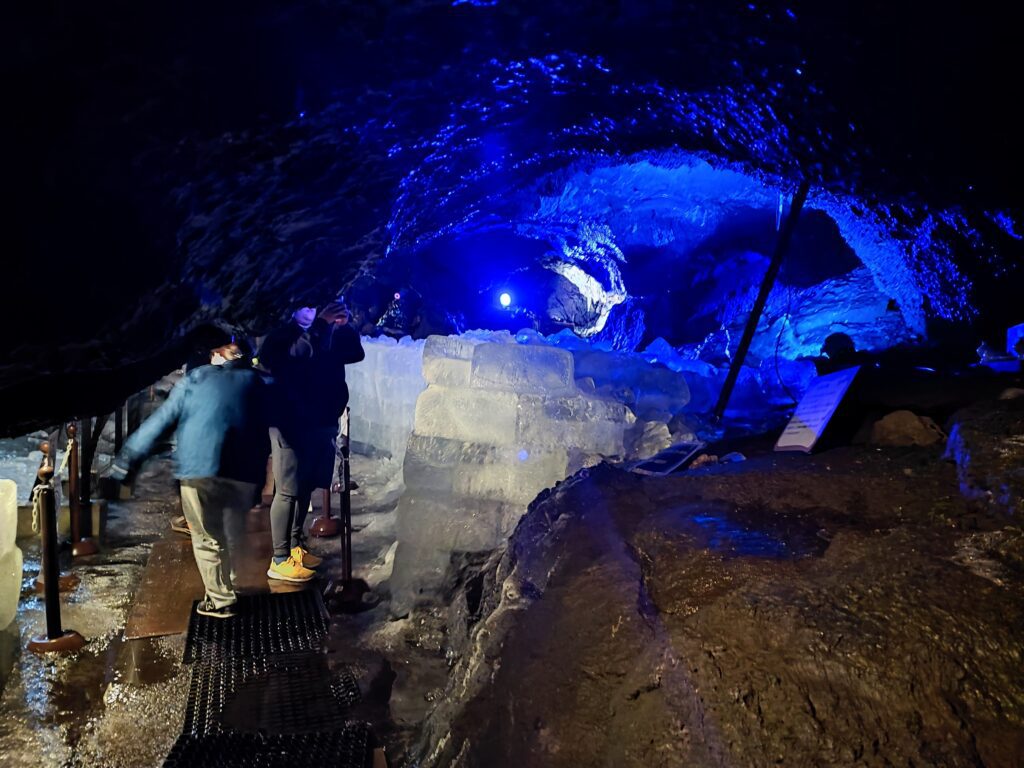
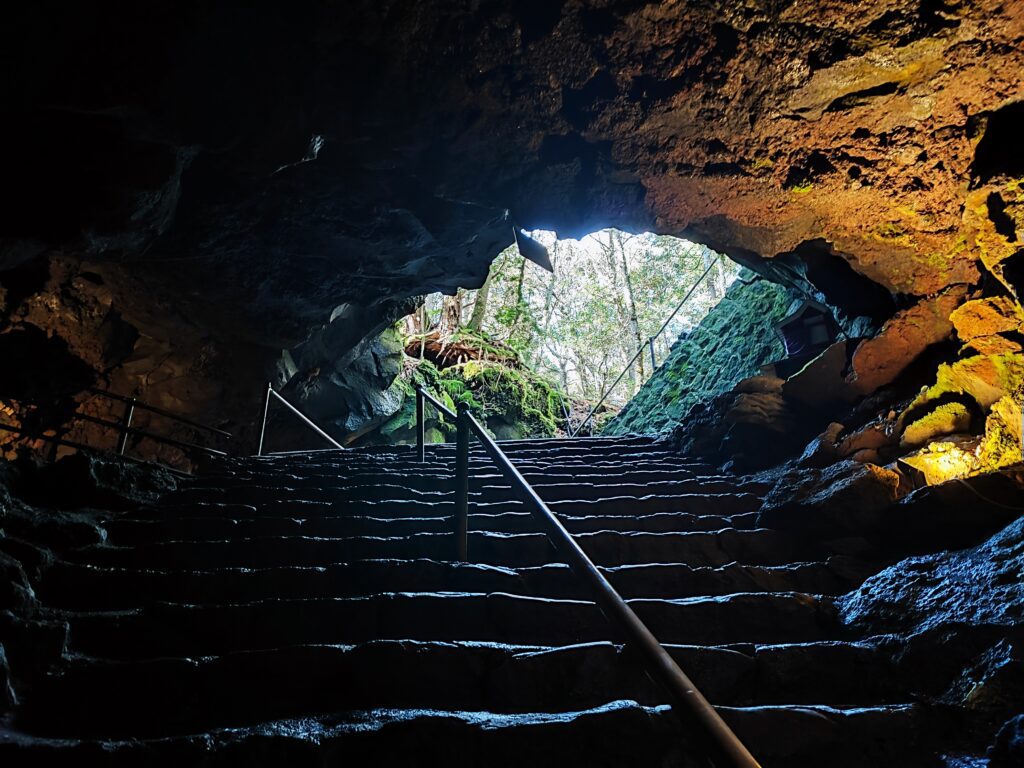
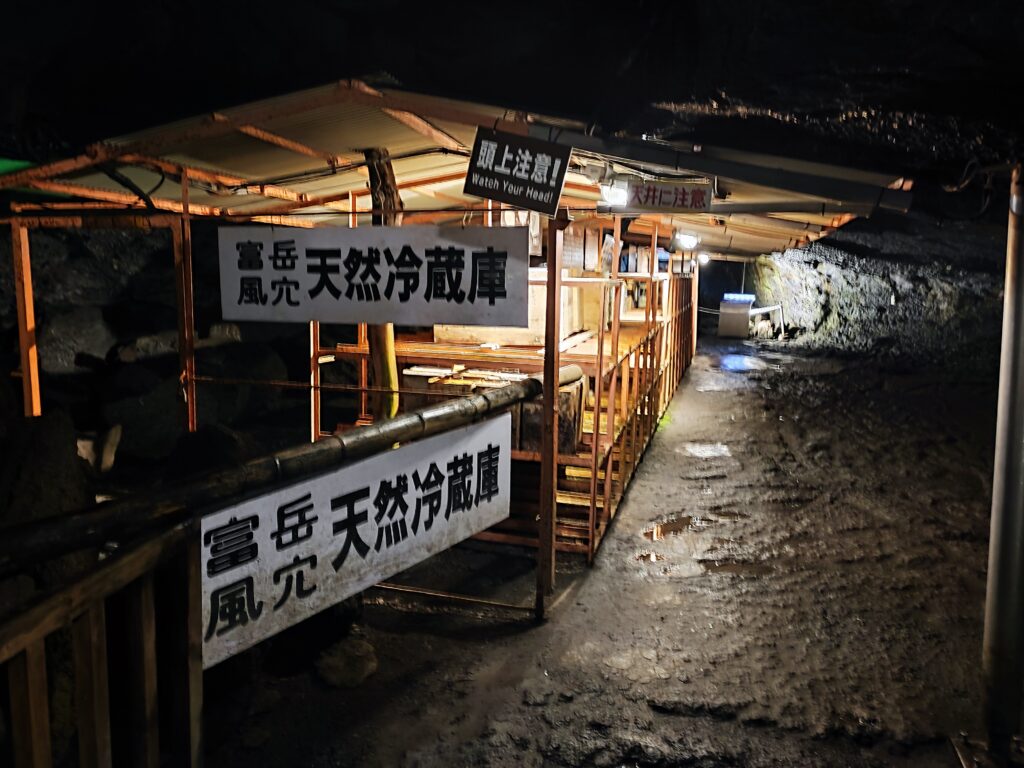
9th: Fugaku Wind Cave & Narusawa Ice Cave
Nature’s natural refrigerator.
Explore the mysterious Aokigahara Forest area by entering these lava tubes created by ancient eruptions. Even in summer, the temperature inside stays around 0–3 degrees! The Ice Cave is famous for its year-round ice pillars, while the Wind Cave is once used as a natural refrigerator. It’s a cool, adventurous break from the outside world.
Ice Cave Address: 8533 Narusawa, Minamitsuru District, Yamanashi
Wind Cave Address : 2068-1 Aokigahara, Saiko, Fujikawaguchiko-machi, Minamitsuru-gun, Yamanashi
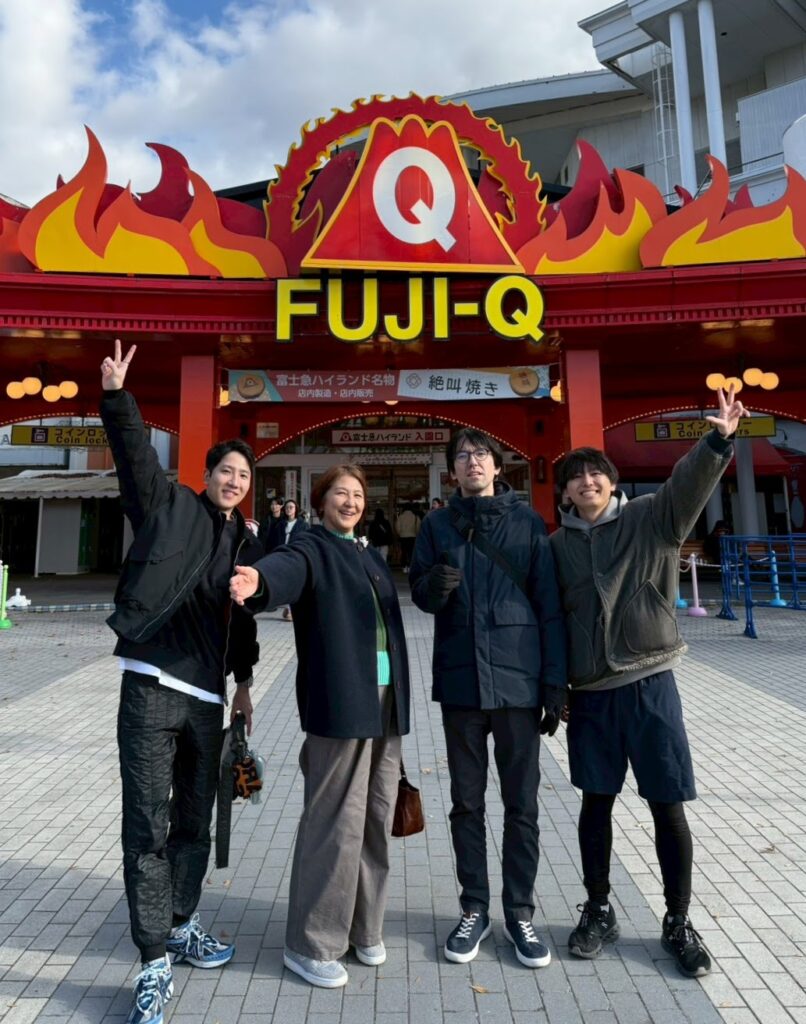
8th: Fuji-Q Highland
World-class thrills at the foot of the mountain.
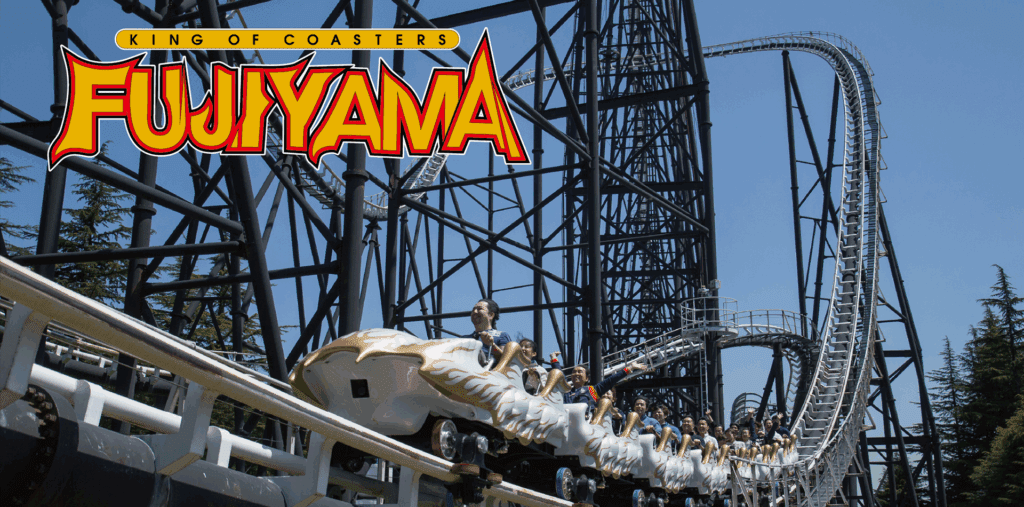
If you love adrenaline, Fuji-Q Highland is must-visit theme park. It is home to some of the steepest and fastest roller coasters in the world, including “Fujiyama” and “Ehjanaika.” The view of Mt. Fuji right before the drop on a roller coaster is an experience you will never forget!
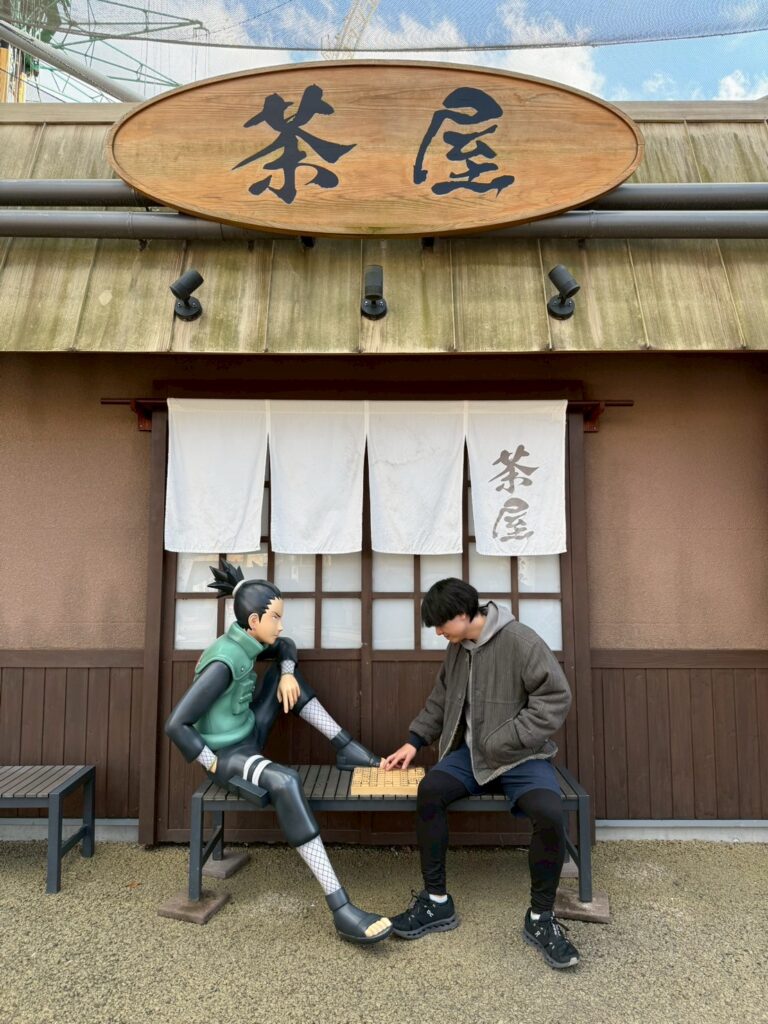
The park also features “Naruto” and “Evangelion” themed areas that anime fans will adore.
Address: 5-6-1 Shinnishihara, Fujiyoshida, Yamanashi
7th: Honcho Street (Fujiyoshida)
The retro street.
You’ve probably seen this spot on social media. It’s a retro shopping street with Mt. Fuji rising perfectly in the background. This street captures a unique contrast between everyday Japanese life and the majestic beauty of the mountain.
Note: Please be careful of traffic when taking photos!
Address: 3-14 Shimoyoshida, Fujiyoshida, Yamanashi
6th: Saiko Iyashi-no-Sato Nenba
Travel back in time to ancient Japan.
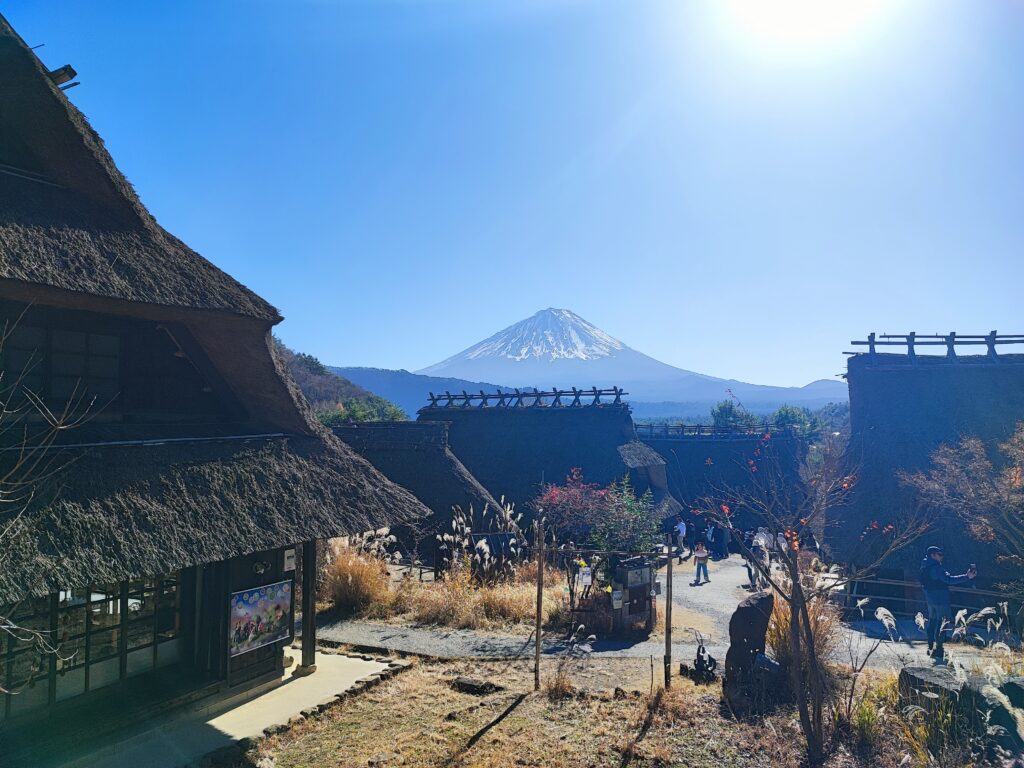
Iyashi no Sato Nemba is a peaceful traditional village with thatched-roof houses and stunning views of Mt. Fuji. It’s a quiet place where you can stroll around, explore craft shops, and experience old-style Japanese life surrounded by nature.
Address: 2710 Saiko, Fujikawaguchiko, Minamitsuru District, Yamanashi
5th: Chureito Pagoda (Arakurayama Sengen Park)
The most famous picture of Japan.
If you buy a guidebook about Japan, this picture is probably on the cover: a red pagoda with Mt. Fuji rising behind it. You’ll need to climb 398 steps to reach the top, but the panoramic view is absolutely worth it.
Also, each season offers a completely different view. In spring you’ll see cherry blossoms, in autumn vibrant foliage, and in winter a snow-covered landscape.
Address: 2-chome-4-1 Asama, Fujiyoshida, Yamanashi
4th Kitaguchi Hongu Fuji Sengen Shrine
The spiritual heart of the mountain.
If you’re exploring the Mt. Fuji area, this shrine is one of the most iconic places to visit. A long, sacred path lined with towering cedar trees leads you to the main hall, creating a calm, almost mystical atmosphere. Its Goshinboku (sacred tree)is said to be over 1,000 years old.
This shrine has been the starting point for Mt. Fuji worship for centuries, and even today you can feel its deep history the moment you step inside. Historically, pilgrims would come here to pray before beginning their climb up Mt. Fuji.
The shrine is dedicated to Konohanasakuya-hime, the goddess of Mt. Fuji, who is believed to protect the mountain!
Address: 5558 Kamiyoshida, Fujiyoshida, Yamanashi
3rd Oishi Park (Lake Kawaguchiko)
Flowers, the lake, and the mountain.
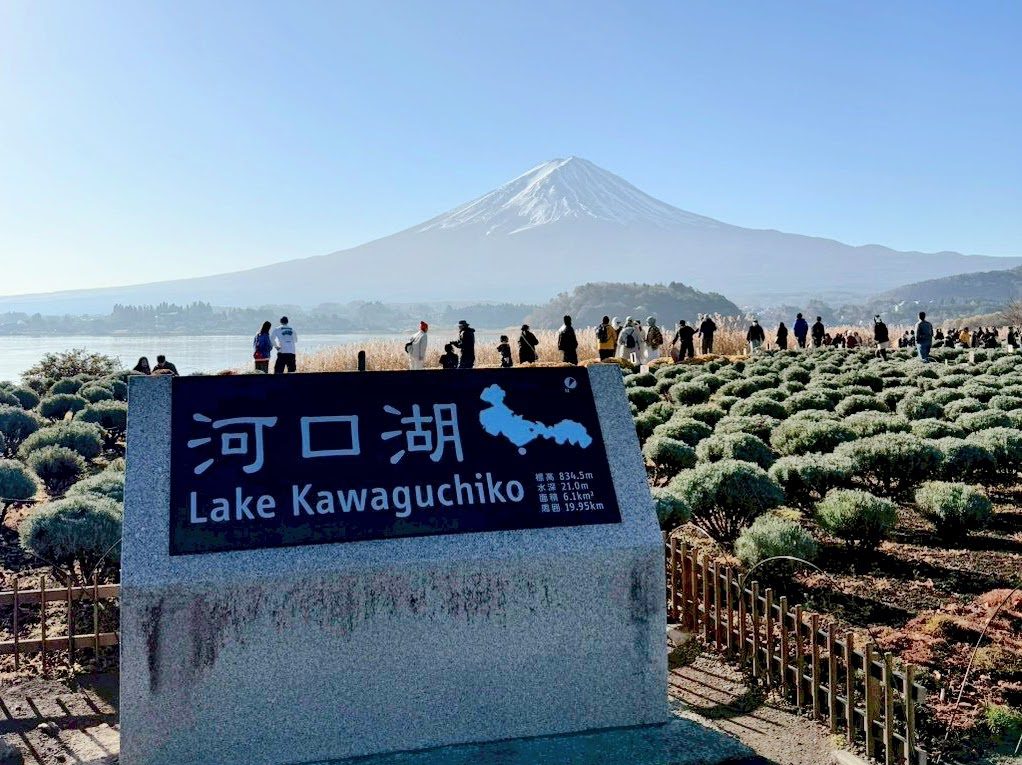
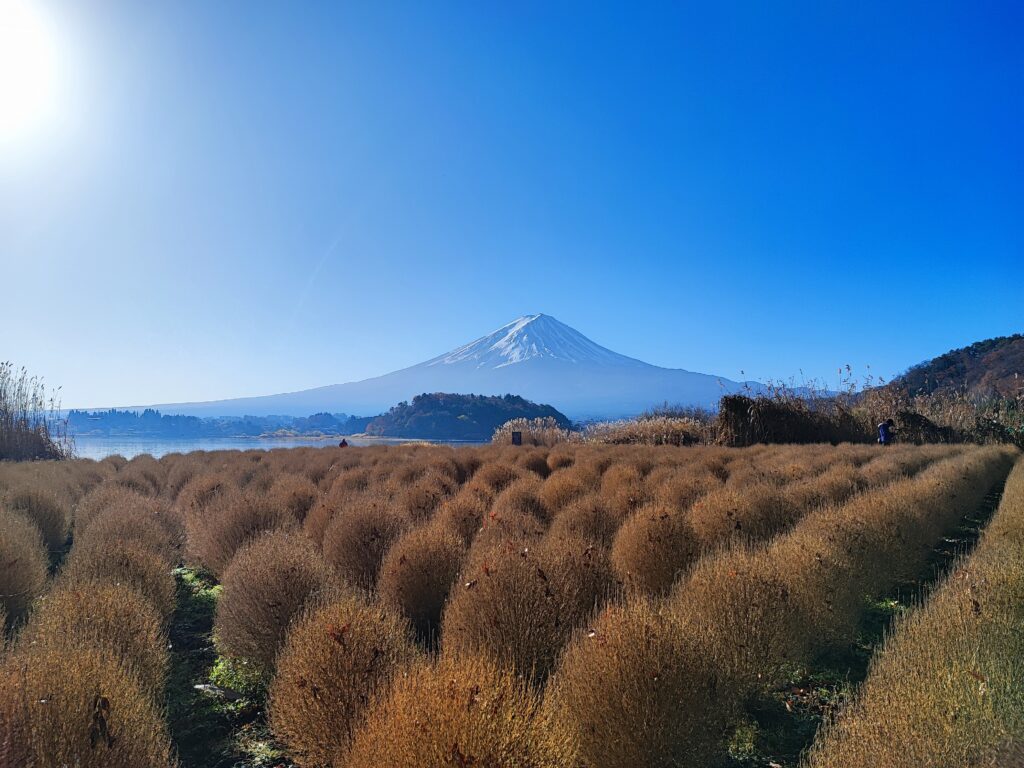
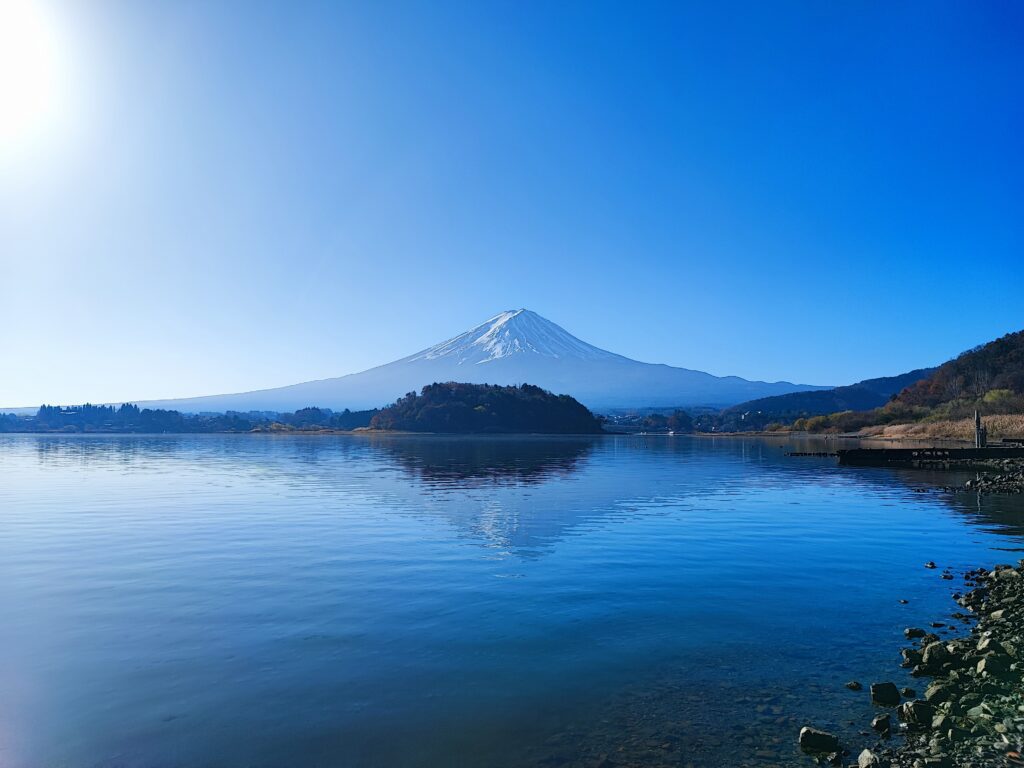
Located on the north shore of Lake Kawaguchiko, this park offers the classic “Lake&Fuji” view. It is famous for its “Flower Road”, lavender in early summer and the burning red Kochia bushes in autumn.
Grab a blueberry soft-serve ice cream and enjoy a relaxing walk along the water.
Oishi here is the place name Ōishi 大石, not tasty 美味しい. Somehow the romaji just ends up looking the same!
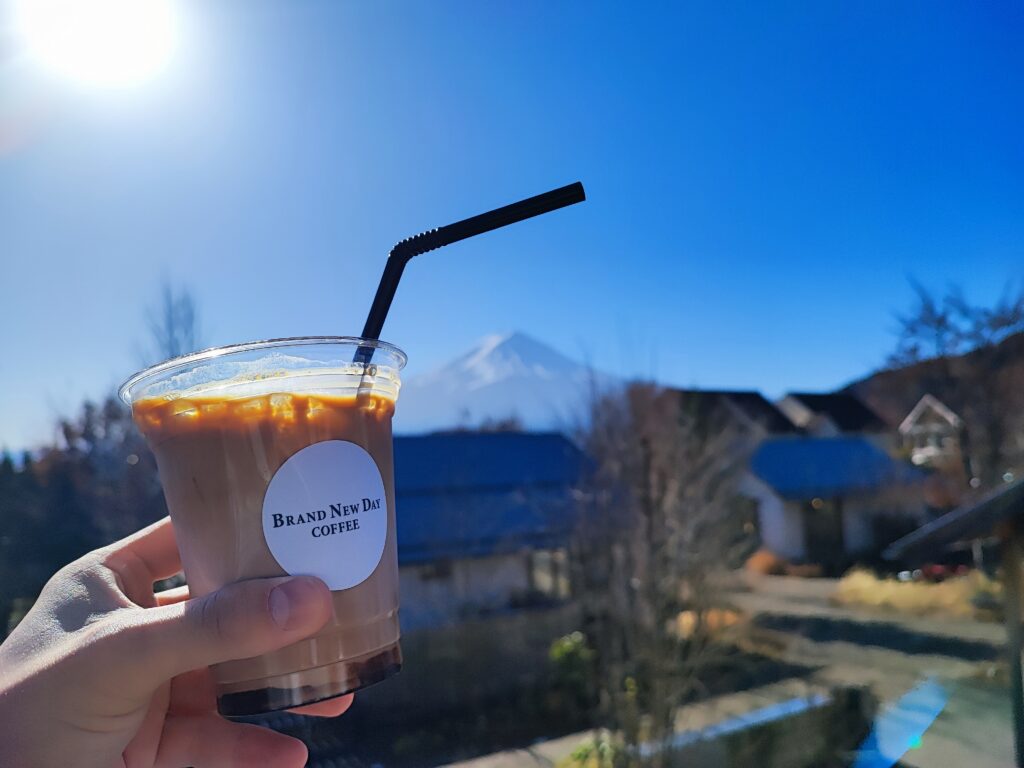
Cool cafe next to Oishi Park (Brand New Day Coffee) Address: 2585 Oishi, Fujikawaguchiko, Minamitsuru District, Yamanashi
2nd Oshino Hakkai (Oshino Village)
The village of eight sacred ponds.
This traditional village is famous for its eight deep ponds fed by snowmelt from Mt. Fuji that has filtered through lava for over 80 years. The water is incredibly clear, you can see deep blue colors and fish swimming at the bottom. The combination of thatched-roof farmhouses and the ponds makes for a picturesque landscape.
You can even touch the spring water at certain spots, so make sure to feel how cold and refreshing it is.
Address: Shibokusa, Oshino, Minamitsuru District, Yamanashi
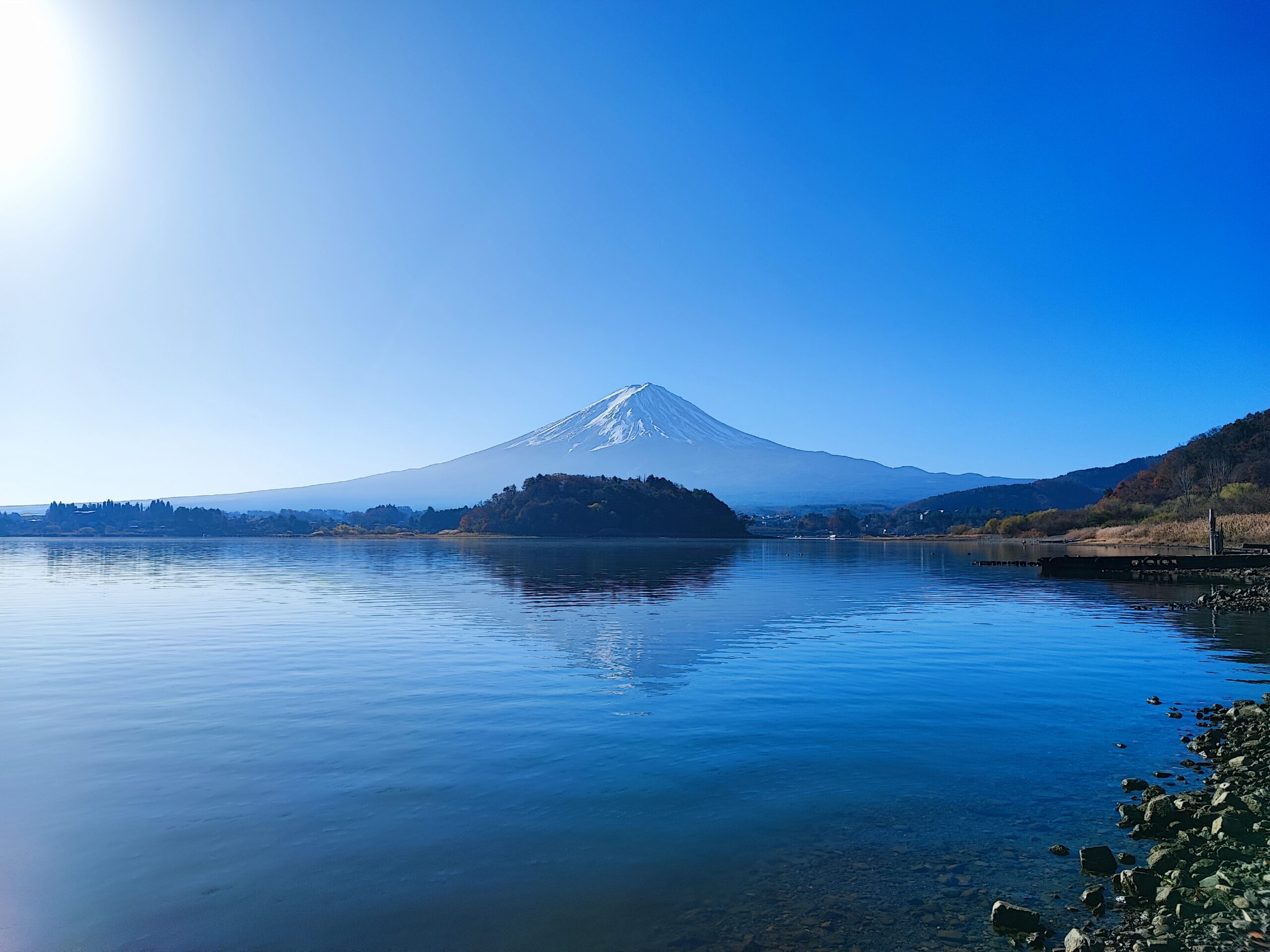
1st: Mt. Fuji
The icon itself.
Number one is, of course, the mountain itself!
Even if you aren’t climbing to the summit, you can take a bus up to the Fuji Subaru Line 5th Station (about 2,300 meters above sea level). Here, you are standing on the symbol of Japan.
If you’re planning to climb, the official climbing season runs from early July to early September.
Sea of clouds from the 9th Station of Mt. Fuji











Comments