Hi, it’s Daichi from KOKO Journey!
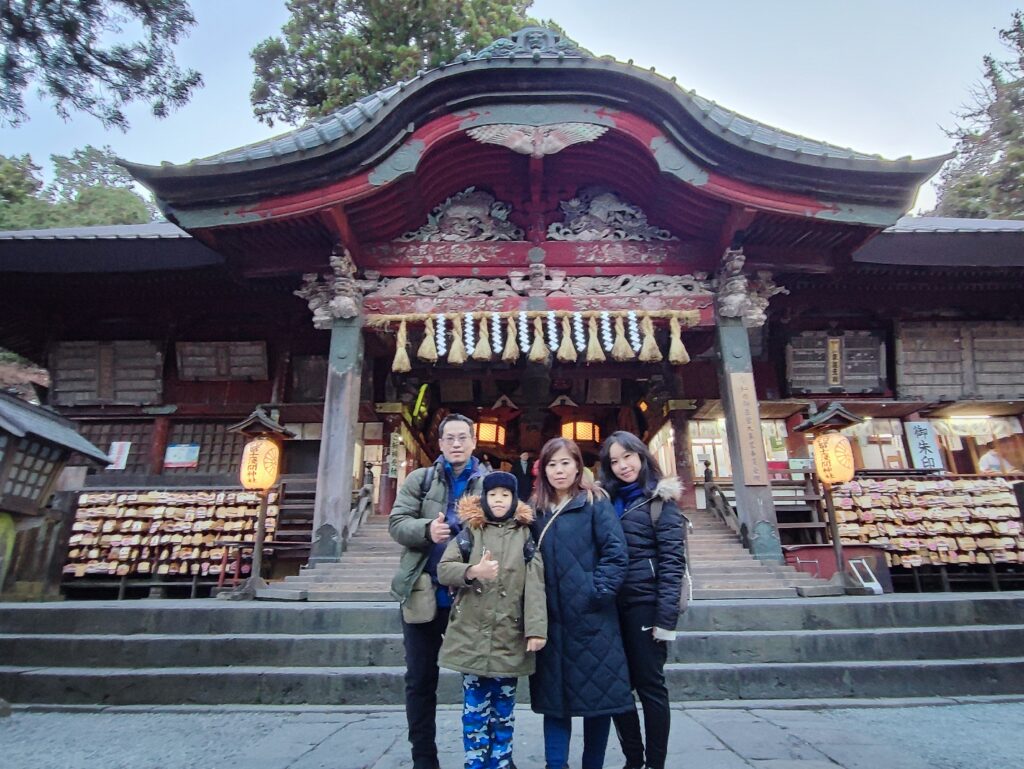
Let’s explore Kitaguchi Hongu Fuji Sengen Shrin e in Fujiyoshida city today. This isn’t just a beautiful shrine, it’s a spiritual gateway to understanding how Japan has revered Mt. Fuji for centuries.
Kitaguchi Hongu Fuji Sengen Shrine!
TOC
Where is it located?
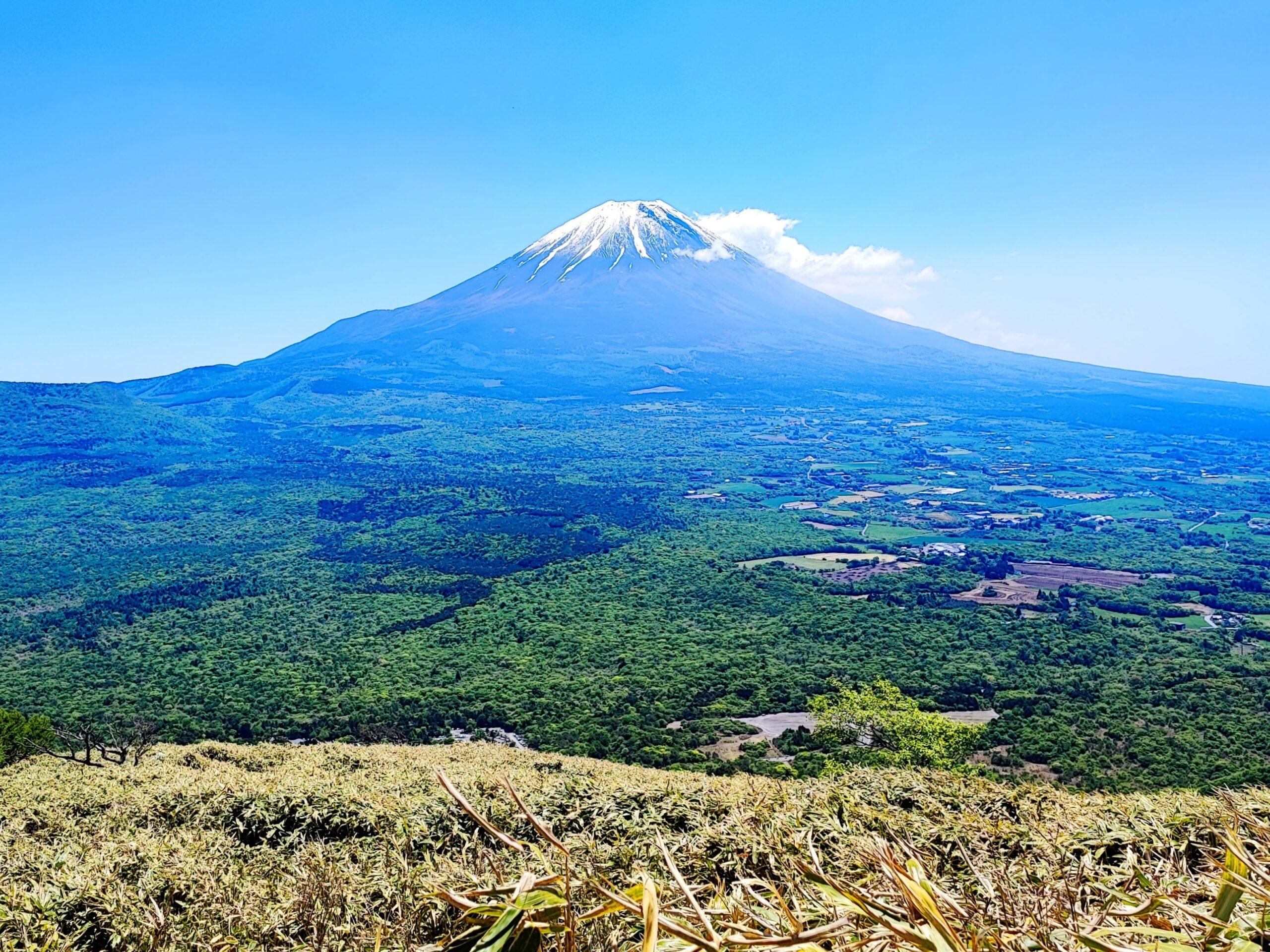
Kitaguchi Hongu Fuji Sengen Shrine is located in Fujiyoshida City , on the northern side of Mount Fuji .
This area has long been known as the traditional gateway to Mt. Fuji. Before modern transportation and tourism, pilgrims would gather here to prepare themselves spiritually before beginning their climb.
Address: 5558 Kamiyoshida, Fujiyoshida City, Yamanashi 403-0005, Japan
3 reasons why this place is special① A Shrine Where the Goddess of Mt. Fuji Is Worshiped
At the heart of this shrine is Konohanasakuya-hime , the goddess of Mt. Fuji. She isn’t just a symbolic figure — she’s a powerful deity in Japanese mythology.
According to traditional stories, she proved her purity and strength by safely giving birth in the midst of fire, showing both courage and protection. Because of this, she’s deeply connected to fire safety, safe birth, and harmonious life — themes that resonate around a volcanic mountain like Fuji.
② The Sacred Trees (Goshinboku) – Over 1,000 Years Old!
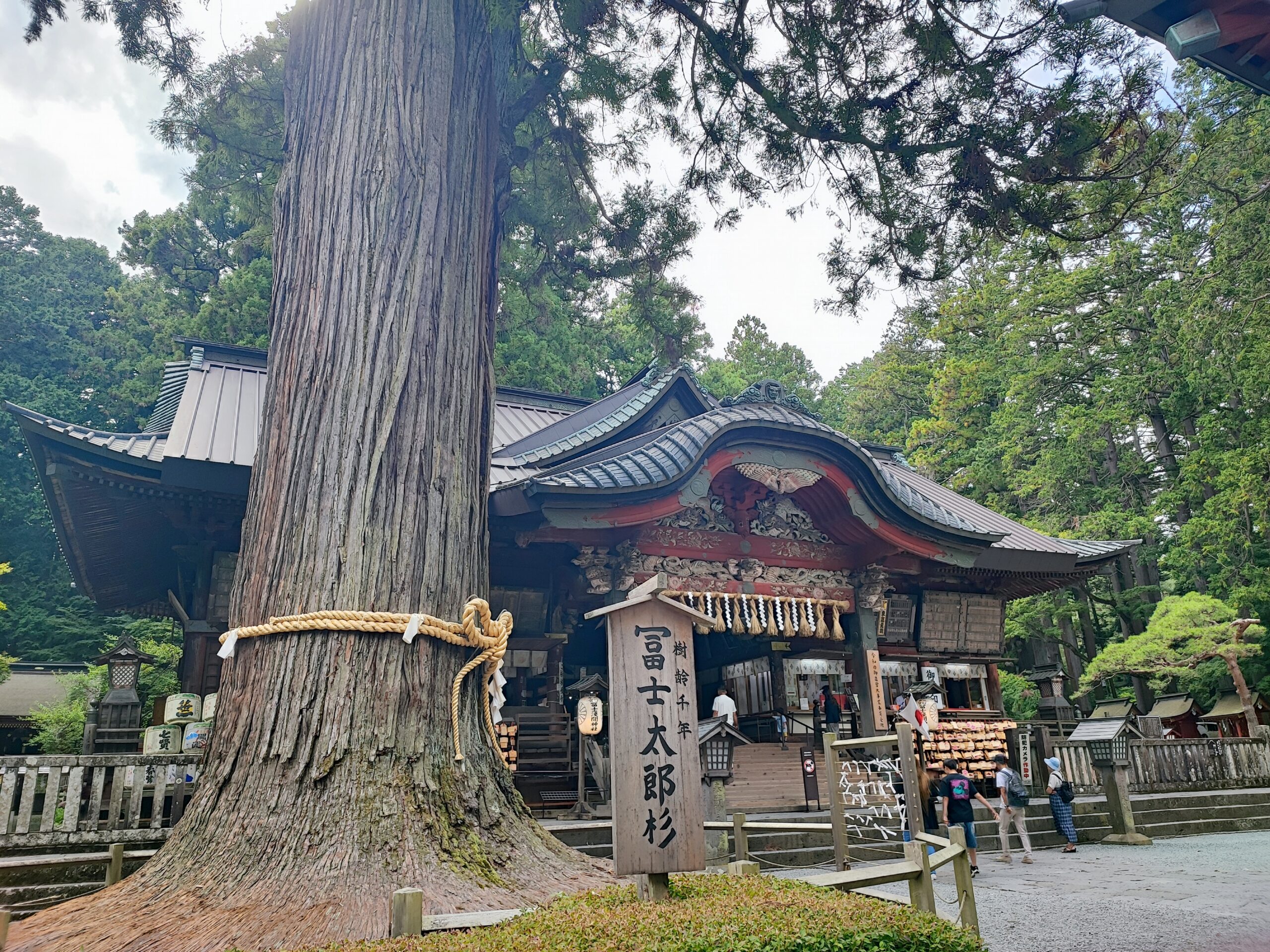
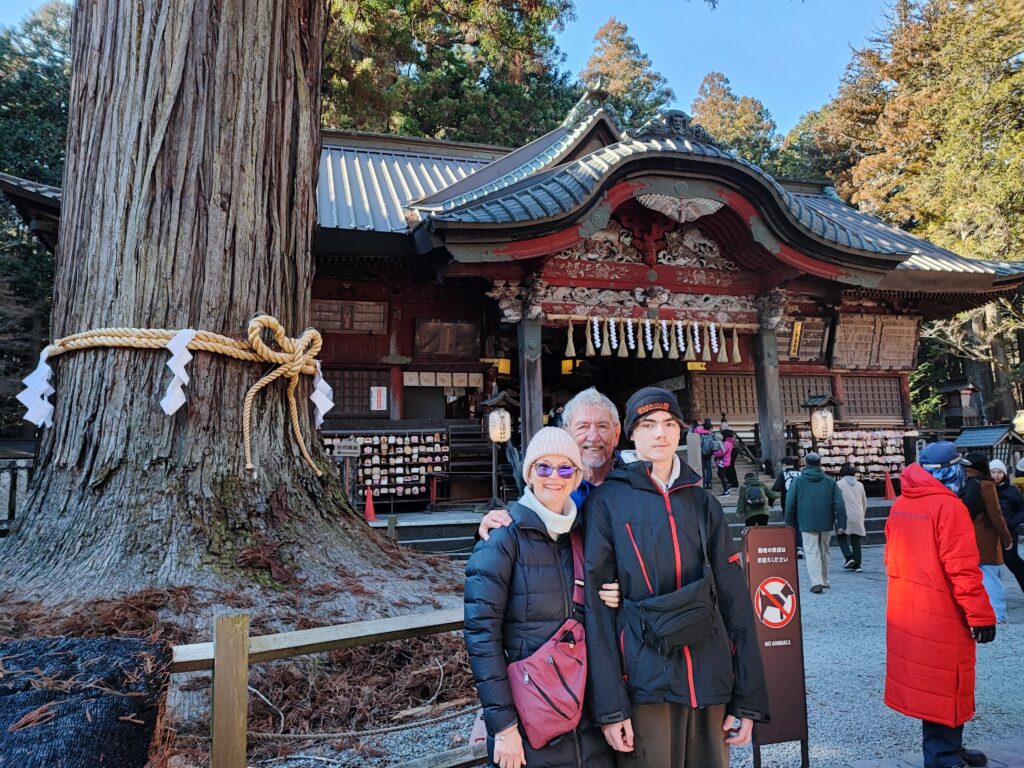
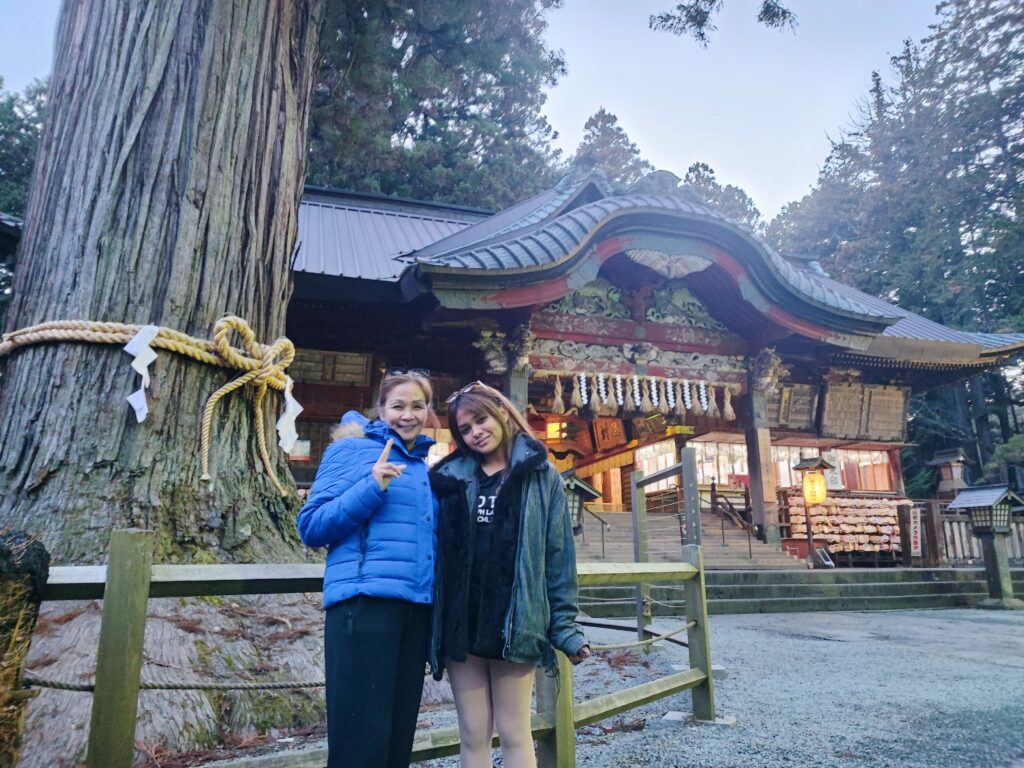
One of the most striking things about this shrine are its ancient sacred trees (Goshinboku / 御神木).
Around the main hall, you’ll find massive cedar and cypress trees that are believed to be more than a thousand years old .
Among these trees are:
Fujitaro Cedar — a massive cedar with deep, ancient rootsFujifufu Cypress (Meoto Hinoki) — a rare pair of trees that split and rejoin, symbolizing unity and harmony (often seen as a symbol of good relationships ).
They’re living symbols of endurance, protection, and life connected to Mt. Fuji .
③ The Torii Gate : Crossing from Everyday Life Into the Sacred
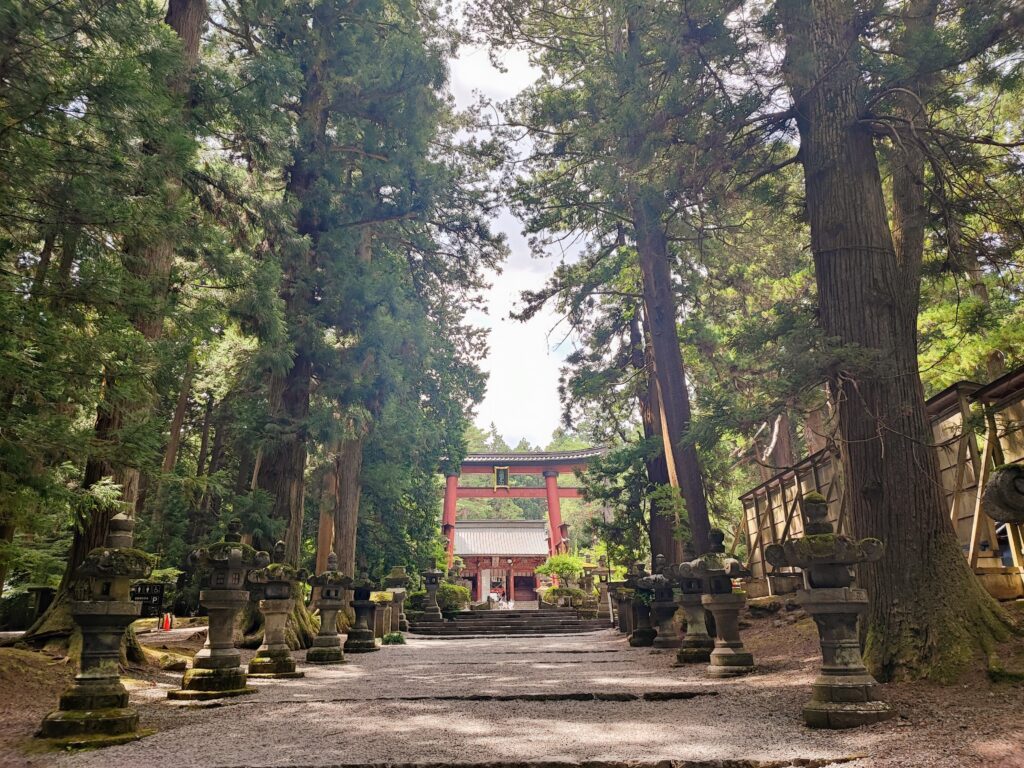
Before you reach the main shrine, you’ll walk through a large vermilion torii gate — one of the tallest wooden torii gates in Japan (about 17.7 meters high).
In Shinto belief, passing through a torii isn’t just walking under an arch — it’s a symbolic transition . It marks the boundary between:
the everyday world you live in
and a pure, sacred realm where spirits (kami/神) dwell
Once you pass through, you’ll often notice a sense of calm and connection. The ancient cedar trees, mossy stone lanterns, and quiet forest surroundings all deepen that feeling.
How to Pray at a Shinto Shrine (Simple Guide!)
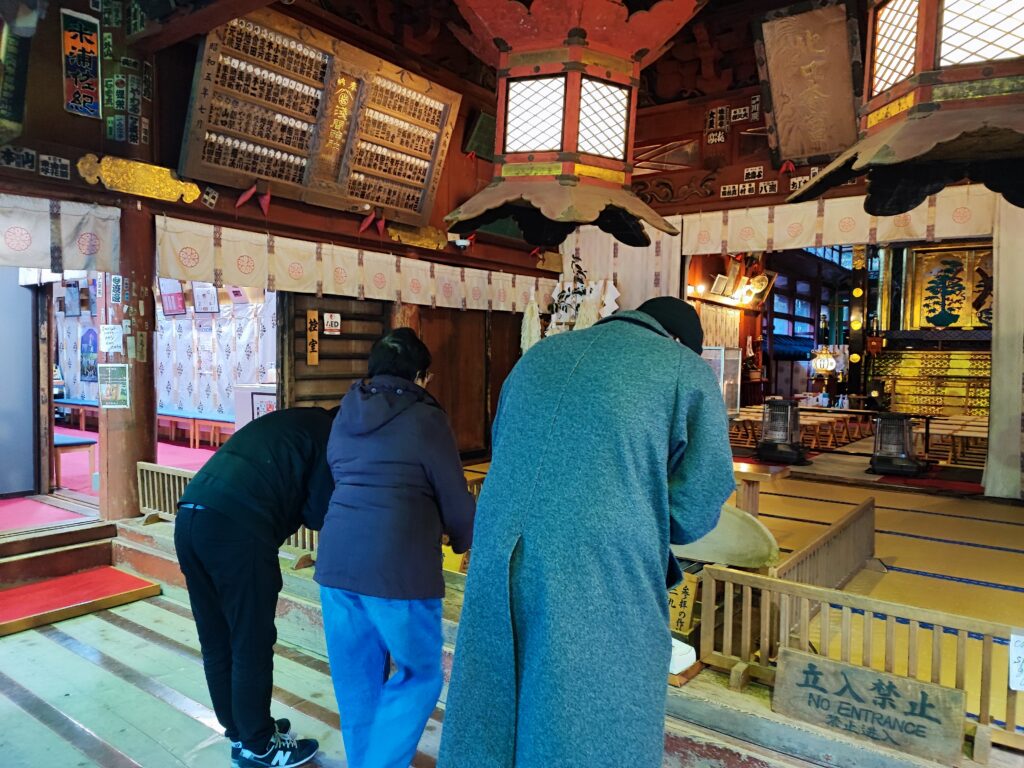
Lastly, here is how to pray at a Shinto Shrine. So, once you arrive in front of the main hall, the steps are very simple.
Place a small coin into the offering box.Remember the magic numbers:2 – 2 – 1
Bow deeply twice Clap your hands twice (Then pray)Bow deeply once to finish
While your hands are together, take a quiet moment to make your wish or simply say thank you.
That’s all. No pressure, no strict rules.2 bows, 2 claps, 1 bow .
Kitaguchi Hongu Fuji Sengen Shrine isn’t just another sightseeing stop. It’s a place of meaning — a living thread from ancient Japan to your travel experience today.




 Announcement: The Closure of KOKO Journey