Fujisan vs Fujiyama: Names for Mt. Fuji



- Explore around the Mt. Fuji area
- Led in English by a local Japanese
- Details Here
Fujisan vs Fujiyama | What’s the difference?
Mt. Fuji (富士山) is Japan’s most famous mountain, and in Japanese it’s almost always called Fujisan.
The “san” here simply means “mountain” — it’s one of the standard readings of the kanji (山), so it literally means “Mount Fuji.”
You might also see Fujiyama as another name of Mt.Fuji in some places. The character “山” has two readings, yama and san, so “Fujiyama” is just an alternate reading of the same characters. In the past, especially in older Western maps and books, “Fujiyama” became popular because people from overseas assumed “山 (yama)” was the correct reading for Mt.Fuji (Fujisan). That’s why the name persisted abroad.
In everyday Japanese, people say Fujisan as Mt. Fuji, but “Fujiyama” is still used as nicknames.
The Meaning Behind “Fuji” (富士)
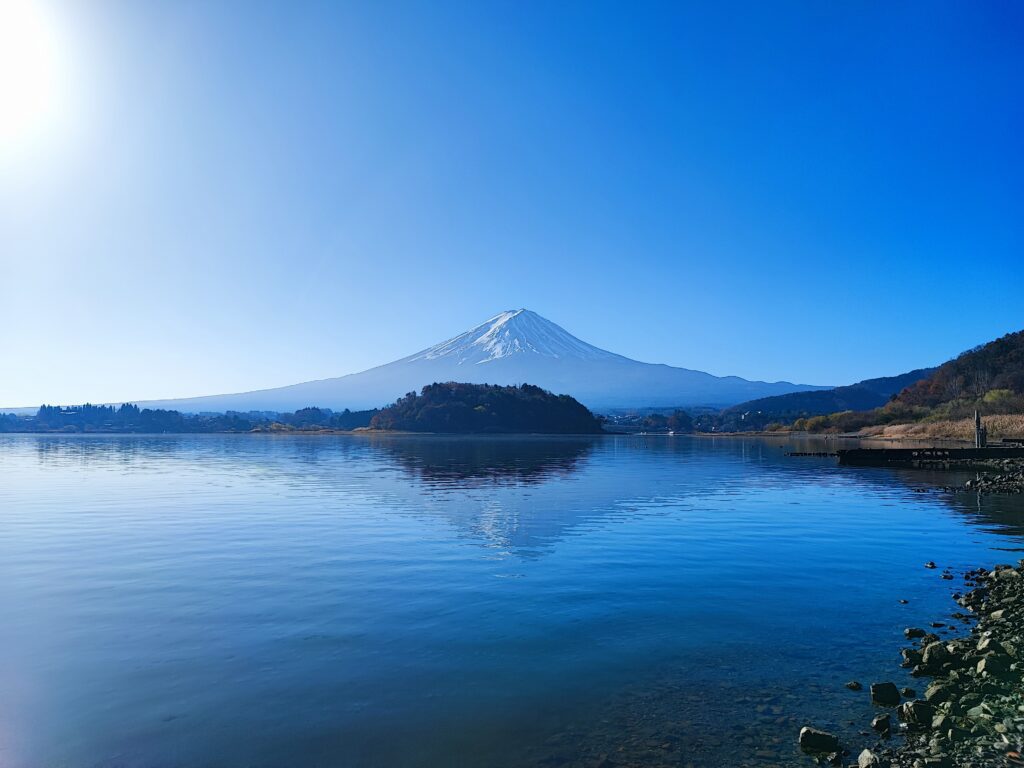
Let’s check the meaning of “Fuji” at first. The Kanji characters for Mt. Fuji (Fujisan / Fujiyama) is 富士山. The characters themselves mean Fu (富) for “wealth/prosperity” and Shi (士) for “a noble person or warrior.”
To be honest, the exact origin of the name “Fuji” (富士) is unclear, but several leading theories have been proposed over the centuries:
–Fuji (不尽 / Endless): This suggests “never-ending” and expresses the boundless reverence and faith people hold for the mountain.
–Fuji (不二 / Unequaled): Literally “not two,” this describes the mountain’s unique and peerless majestic form.
–Fushi (不死 / Immortality): Meaning “never die”. In the legend (Taketori Monogatari), the Emperor orders his soldiers to burn the elixir of immortality on Fuji no Yama (Mt. Fuji). The story says that the smoke continued to rise from the mountain, symbolizing “immortality.”
Is the “san” in Fujisan the same as the polite “-san”?
Nope — totally different!
In Fujisan (富士山), the “san” comes from the Japanese reading of the kanji 山, which means “mountain.”
So Fujisan literally means “Mount Fuji.”
On the other hand, the “-san” (~さん) you use for people — like Daichi-san — is an honorific title, similar to “Mr.” or “Ms.” in English.
Even though they sound “san” the same, they have different characters, different meanings, and zero connection.
Seeing “Fujiyama” Around Town
Although people mostly say Fujisan, the name Fujiyama pops up in fun ways. Local businesses and souvenirs often use it as a playful nickname.
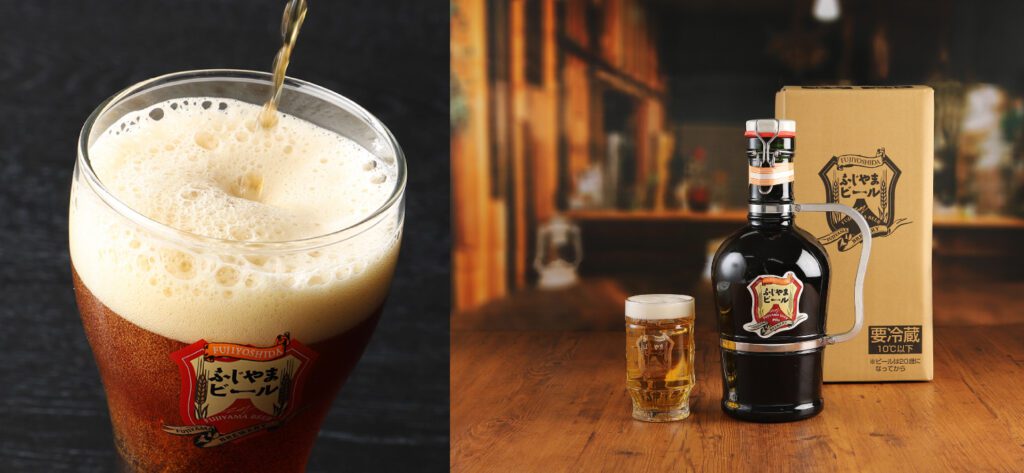
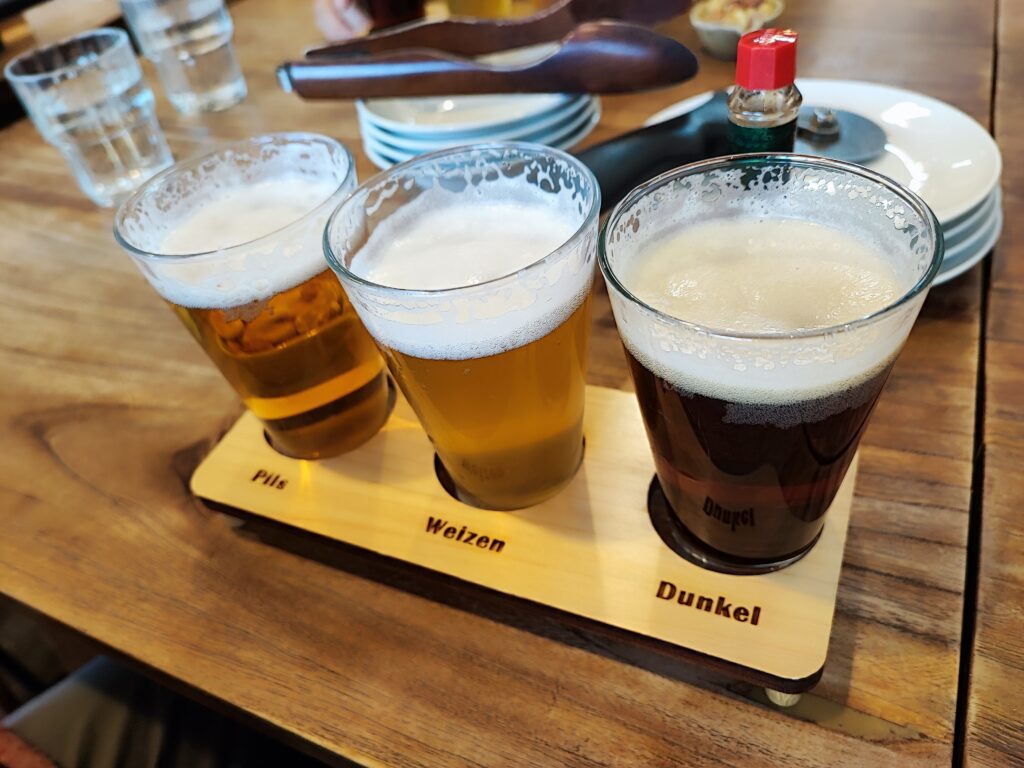
For example, Fujiyama Beer is a craft brewery in Fujiyoshida known for beers made with Mt. Fuji’s famous soft water.
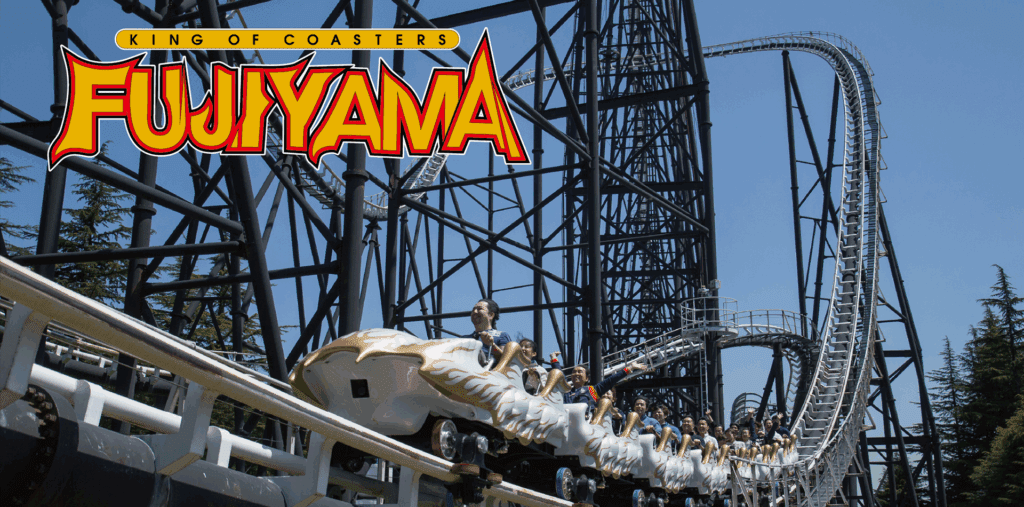
And if you’ve been to Fuji-Q Highland, you might know the famous roller coaster “Fujiyama” — another playful use of the name.
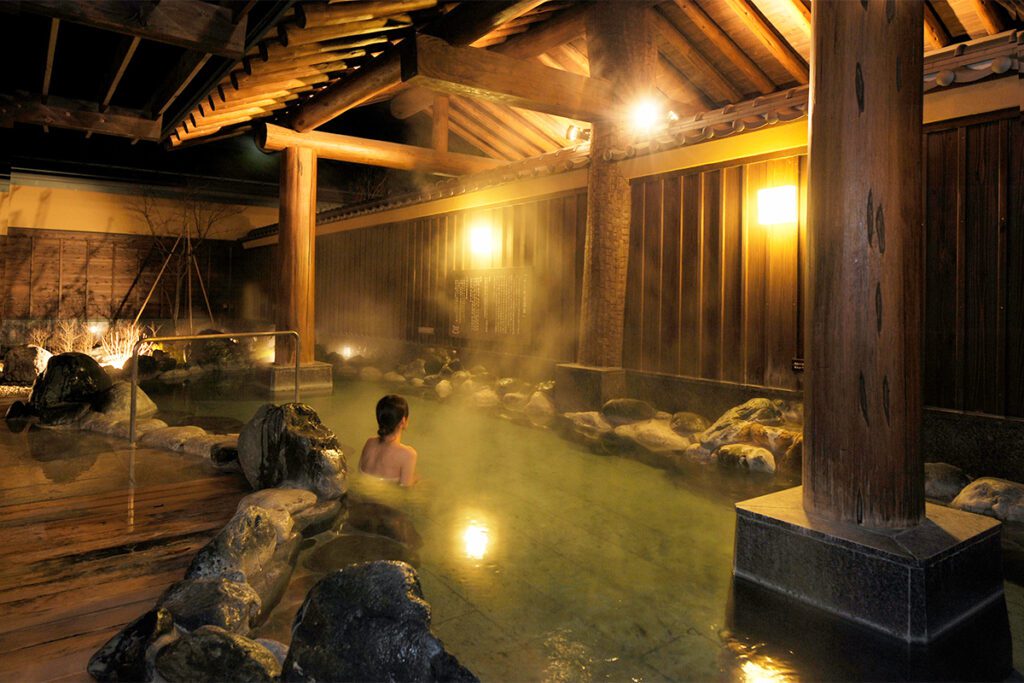
Similarly, you might visit Fujiyama Onsen (a hot-spring spa). I like this hot spring very much!
These are just creative names and they all refer to Mt. Fuji.
So, hearing “Fujiyama” isn’t wrong; it’s just less common for Japanese people to call the mountain itself that way.
Explore Mt. Fuji area with me!
I offer private guided tours around the Mt. Fuji area, taking you to both famous sights and local secrets. Feel free to contact me.
New articles
-
 Announcement: The Closure of KOKO Journey
 -
Mt. Fuji Weather Update: Why Fuji Has Been Hiding in June 2026
-
McDonald’s with a View of Mt. Fuji in Fujiyoshida city, right next to Kawaguchiko Town
-
Are there Bears Around Lake Kawaguchiko and Mt. Fuji? Check This Before You Go
-
Lake Kawaguchiko Photo Walk: Seeing Mt. Fuji from Every Angle